
Home » Skin Rejuvenation
Skin Rejuvenation Treatment Singapore for Radiant Skin
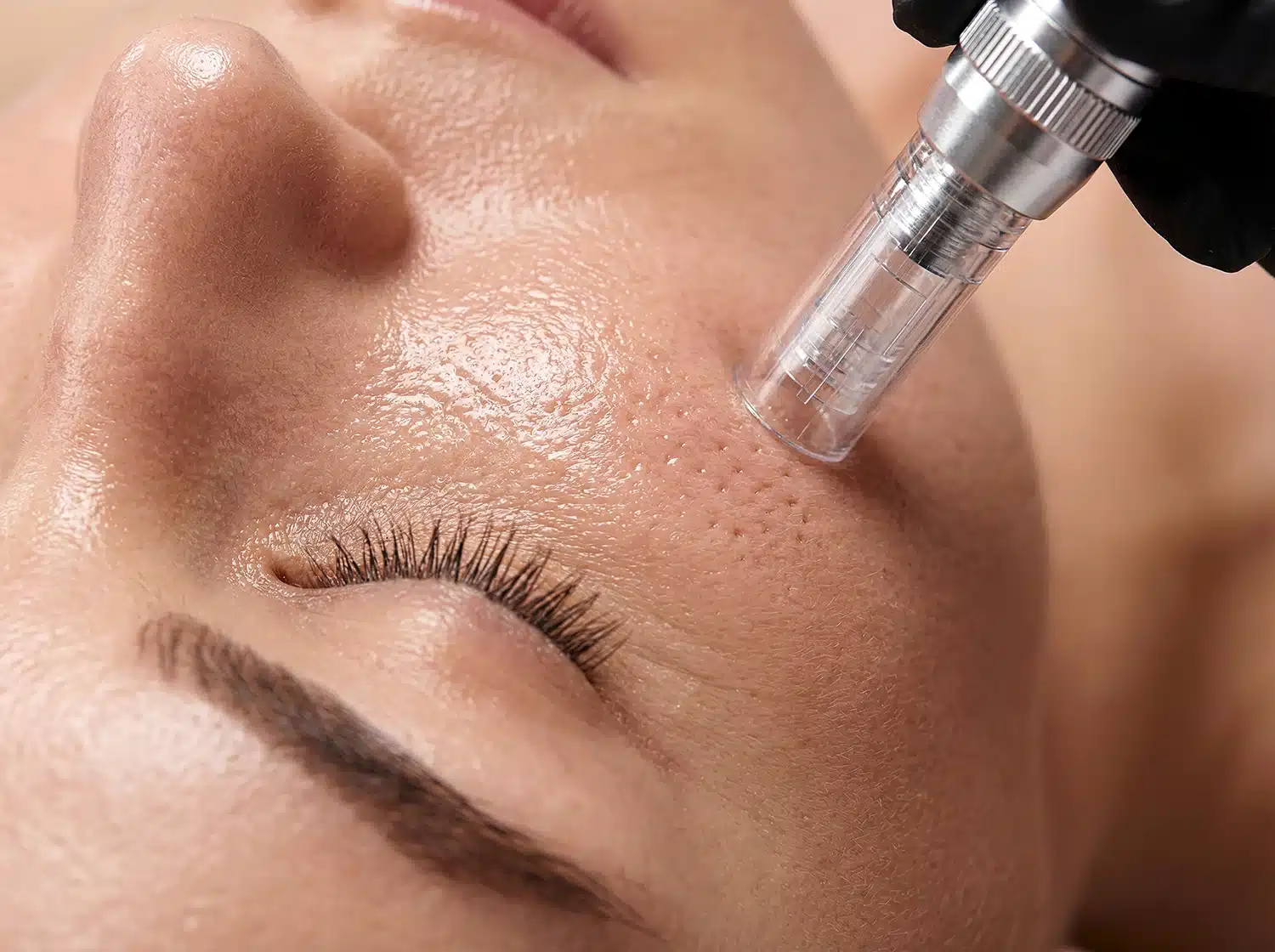
Skin rejuvenation at Cheongdam Aesthetics starts with an assessment of your concerns, skin condition and treatment history. The aim is to improve selected aspects of tone, texture, hydration or firmness through an appropriate treatment or combination.
Doctor-led procedures and therapist-led skin management have different roles. Your plan identifies which care is suitable, what it may achieve and how much recovery to expect.
What Is Skin Rejuvenation Treatment?
Skin rejuvenation is a broad term for treatments intended to improve skin appearance and quality. It is not a single standard procedure, and a combination is not always necessary.
Different approaches may:
- Address selected pigmentation or vascular redness.
- Improve surface texture and support tissue remodelling.
- Support hydration and barrier function.
- Improve selected firmness or volume concerns where appropriate.
Not every treatment performs all these functions. For example, a hydrating booster does not replace scar resurfacing, and tightening does not directly restore substantial lost volume.
Common Skin Concerns Treated with Skin Rejuvenation
Skin rejuvenation treatment in Singapore is commonly used to address the following issues:
- Fine lines and selected wrinkles.
- Uneven tone, dark spots or redness.
- Depressed acne scars and enlarged-looking pores.
- Dullness or dehydration.
- Mild skin laxity and reduced firmness.
Melasma, rosacea and active acne require condition-specific assessment. They should not be treated as interchangeable “rejuvenation” concerns, and some procedures can aggravate them if unsuitable settings are used.
Types of Skin Rejuvenation Treatments Available
Energy-Based Treatments (Laser and Light)
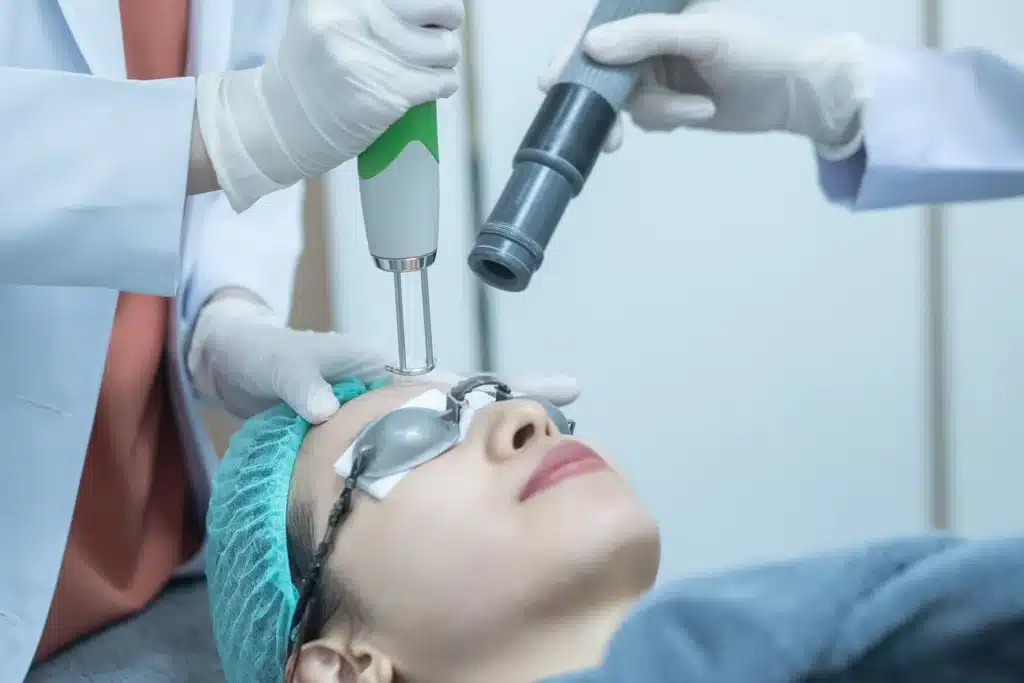
Lasers use different wavelengths and delivery methods to target selected structures or produce controlled resurfacing. The appropriate device depends on the diagnosis, skin tone, concern and recovery preferences.
Pico Laser
Pico Laser delivers ultrashort pulses that can disrupt pigment through predominantly photomechanical effects. It is not heat-free or risk-free. Fractional Pico uses a specific optical attachment and protocol for texture-focused remodelling, distinct from standard pigment toning. A study of fractional 1064 nm picosecond treatment supports selected rejuvenation applications, but findings should not be generalised to every Pico device or skin type.
Fractional CO2 Laser
Fractional CO2 Laser creates microscopic columns of tissue removal and heating to address selected scars and textural irregularities. A National Skin Centre study reported acne-scar improvement in Asian patients, alongside complications including hyperpigmentation, blistering and scarring. CO2 requires more substantial recovery than many non-ablative options.
Yellow Laser
Yellow Laser targets haemoglobin and may address selected redness or vascular concerns. Persistent flushing or rosacea needs assessment; laser is not a cure for every cause of redness.
Thulium Baby Skin Laser
Thulium Baby Skin Laser uses 1927 nm fractional energy targeting water in relatively superficial tissue. It may be considered for selected pigmentation, tone and texture concerns. Dryness, roughness, temporary darkening or flaking can occur.
RF Microneedling
Other energy-based options have different roles. Golden X RF Microneedling and Morpheus8 combine needles with RF heating for selected texture, scar and firmness concerns. These are distinct from needle-free RF treatments such as XERF or Volnewmer.
Ultrasound and External RF
Selected ultrasound or external RF protocols may be considered where reduced firmness is the main concern. They do not replace pigmentation treatment, congestion management or resurfacing when those are the priorities.
Injectable Skin Rejuvenation Treatments
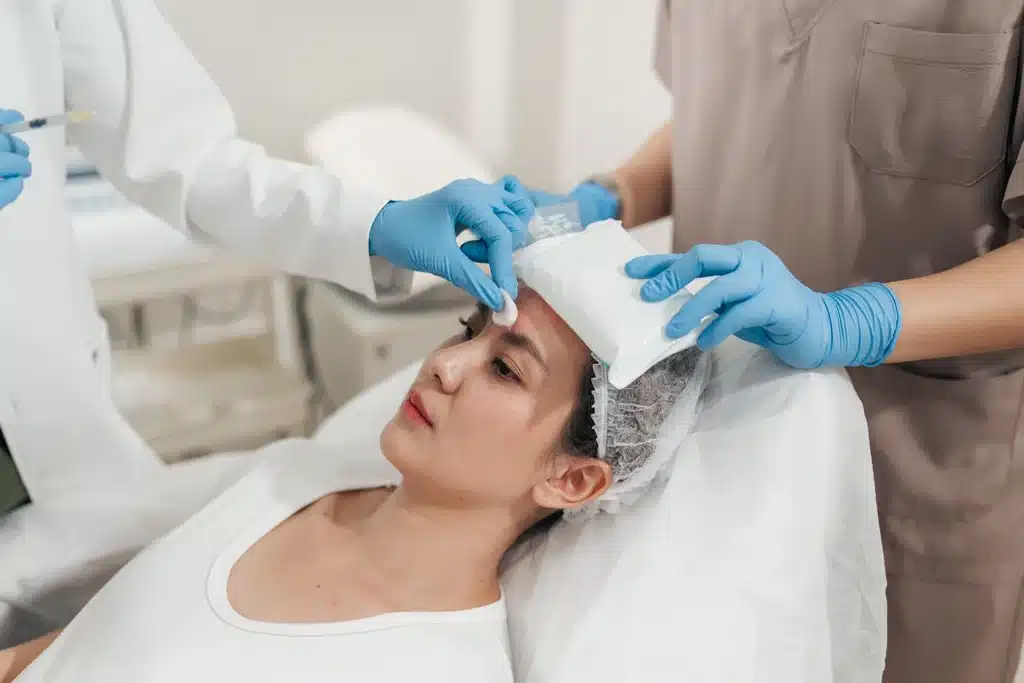
Injectable categories differ by ingredient, formulation and placement. A doctor assesses suitability and administers these procedures.
HA Boosters
RD1 HA Booster and Watershine Dewy Booster are HA-based options considered for hydration and selected skin-quality concerns. They do not provide the same contour correction as a structural filler.
PN Healer
PN Healer uses polynucleotides rather than HA as its defining ingredient. It may be considered for selected skin-quality concerns. Experimental research on PN and collagen-related pathways does not by itself establish guaranteed clinical regeneration or equivalent results for all PN products.
Collagen Boosters
Rejuve Collagen Booster uses PDLLA with HA for gradual collagen-related skin-quality improvement. CaHA Radiance Lifting and Sculpt & Volume Collagen Booster use different materials—CaHA and PLLA respectively—and may address selected support, volume or skin-quality concerns according to technique. They are not interchangeable hydration boosters.
Skin ReSet ECM Booster
Skin ReSet ECM Booster uses micronised human acellular dermal matrix (hADM), providing processed extracellular matrix components. It may be considered for selected skin-quality and elasticity concerns. Evidence is emerging, and tissue regeneration or barrier repair should not be guaranteed.
Skin Renewal and Maintenance Treatments
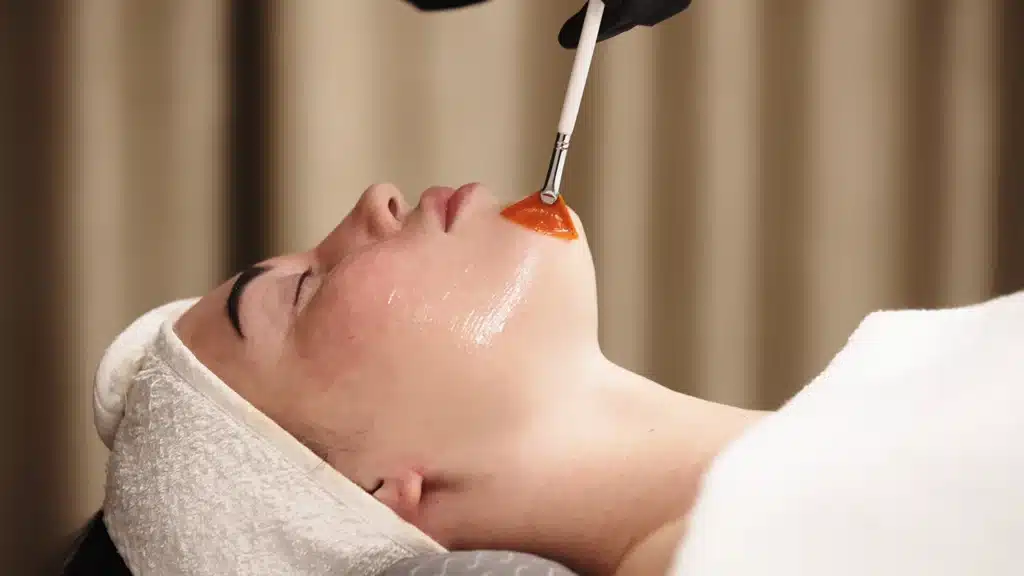
Therapist-led skin management may support:
- Appropriate cleansing and management of surface congestion.
- Gentle exfoliation where suitable.
- Hydration, comfort and barrier-friendly care.
These treatments can complement medical procedures or form the main approach where appropriate. Exfoliation does not treat every type of pigmentation and may worsen irritation if excessive.
Exosome ASCE+ Magic Skin Booster
Exosome ASCE+ Magic Skin Booster is applied topically at Cheongdam as part of selected protocols.
Active acne, persistent redness or an irritated barrier may need targeted treatment before elective resurfacing or intensive skin renewal.
Who Is Suitable for Skin Rejuvenation in Singapore?
You may be a suitable candidate if you:
- Are experiencing early to moderate signs of skin ageing, such as fine lines, mild laxity, or loss of radiance
- Have uneven skin tone, pigmentation, or post-acne marks you would like to address
- Prefer non-surgical or minimally invasive approaches to skin improvement
- Have a busy lifestyle and are looking for treatment options with manageable recovery times
Options exist for different skin tones, but no procedure is suitable for everyone. Pigment-prone skin can develop post-inflammatory hyperpigmentation even with careful treatment.
Tell the team about pregnancy or breastfeeding, active infection, cold sores, inflammatory flares, abnormal scarring, implants, medicines and previous procedures. Contraindications differ between devices and injectable products.
What to Expect During Skin Rejuvenation Treatment
1. Skin assessment
The team reviews your concerns, goals, skincare and treatment history. Skin analysis can support documentation, but does not replace a medical diagnosis. Medical concerns and doctor-led procedures are assessed by a doctor; suitable therapist-led care begins with a therapist consultation.
2. Personalised treatment plan
The recommendation identifies the main concern, appropriate modality, realistic benefit, risks and recovery. A single treatment may be sufficient, or procedures may be spaced across visits.
3. Treatment procedure
Appointment time and sensations depend on the procedure and area. Cleansing and comfort measures are selected appropriately; numbing is not routine for every treatment.
4. Post-treatment care
You receive procedure-specific guidance on skincare, sun protection and when to resume makeup, exercise and active ingredients. Only products appropriate for the healing skin are used or recommended.
Recovery, Results, and Sessions
There is no universal one-week result or three-to-six-session course for skin rejuvenation. Hydration changes may appear relatively early, while scar, pigment and remodelling-related changes often develop over weeks to months.
Recovery also varies. Selected non-ablative treatments may cause temporary redness or swelling. Thulium can cause several days of dryness or flaking; RF microneedling may leave needle marks or crusting for several days or longer. Fractional CO2 may require around one to two weeks for surface healing, with redness persisting longer. Injectables can cause swelling, bumps or bruising.
The number and spacing of sessions reflect the procedure, healing and response. Maintenance is considered after review rather than automatically scheduled for everyone. Early swelling or a temporary glow does not represent the final result.
Is Skin Rejuvenation Treatment Safe?
These procedures have benefits and risks. Suitability depends on the diagnosis, anatomy, skin tone, medical history, device or product, and treatment technique.
Lasers and energy-based treatments can cause pigment changes, burns or scarring. RF microneedling has reported complications including unintended fat loss and nerve injury with certain uses. Injectable risks include infection, persistent swelling or nodules, with vascular injury possible for some products and placements.
Medical aesthetic procedures require appropriately qualified practitioners and product-specific assessment. Doctor-led care and therapist-led skin management should not be described as having identical roles or regulatory requirements.
Seek prompt assessment for worsening pain, blistering, spreading redness, discharge or unexpected sensory or contour changes. After injections, severe unusual pain or pale or mottled skin needs urgent assessment; vision changes are an emergency.
Skin Rejuvenation Singapore Price Guide
Pricing depends on the device or product, areas treated, treatment intensity, number of sessions and any combination plan.
A personalised quotation explains the inclusions and applicable GST before treatment proceeds. The same label—“skin rejuvenation”—can describe very different procedures, so compare the actual treatment rather than price alone.
Why Choose Cheongdam Aesthetics for Skin Rejuvenation in Singapore?
The Cheongdam concept combines personalised assessment, authentic Korean treatment techniques and ongoing skin management, with attention to preparation, targeted care and recovery.
The range includes lasers, injectable options and therapist-led skin management, allowing different concerns to be addressed through different approaches. Medical concerns, injectables and Morpheus8 involve doctor assessment, while suitable supportive skin care may be therapist-led.
Your plan is matched to your concerns, treatment history and recovery preferences. The aim is gradual, natural-looking improvement with realistic expectations, rather than a standard combination or a guaranteed flawless result.
To discuss whether skin rejuvenation is appropriate for your concerns, book a consultation with our team.
Frequently Asked Questions
What is skin rejuvenation treatment?
It is a broad term for care intended to improve selected aspects of tone, texture, hydration or firmness. It may involve a single approach or a suitable combination, depending on the concern.
Is skin rejuvenation painful?
Sensations vary from warmth or prickling to more noticeable discomfort. Numbing or cooling may be used where appropriate, but neither guarantees a painless procedure.
Are skin rejuvenation treatments suitable for all skin types?
Different options can be considered across skin tones, but suitability is procedure-specific. Active inflammation, pigment risk, medical history and anatomy influence recommendations.
How much does skin rejuvenation cost in Singapore?
Cost depends on the procedure, area, product amount and course. A personalised quotation is provided after assessment.
Book a Skin Rejuvenation Consultation in Singapore
Your consultation reviews your skin condition, concerns, medical history and previous treatments to identify an appropriate next step.
Doctor-led procedures are assessed by a doctor. Therapist-led skin management begins with a therapist consultation, with medical review where needed. The proposed plan, recovery, limitations and written quotation are explained before treatment proceeds.