
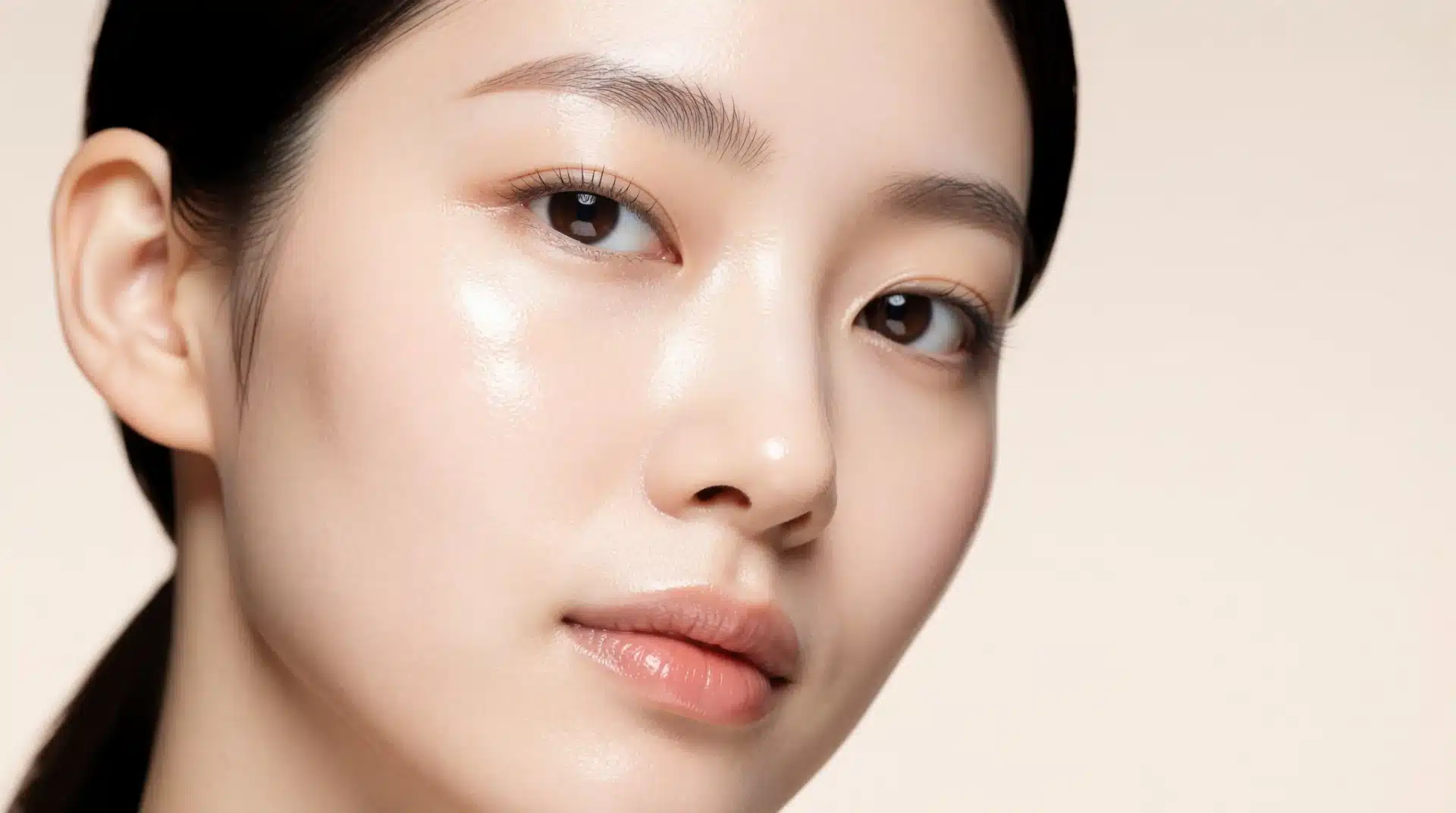
Korean “glass skin” describes skin that looks smooth, hydrated, even-toned and naturally radiant. It is an aesthetic description rather than a medical condition, and healthy skin still has pores, lines and natural variations in colour.
At Cheongdam Aesthetics, the plan focuses on the concerns relevant to you: uneven tone, rough texture, congestion, dehydration or a dull appearance. Depending on your skin, this may involve skincare, therapist-led skin management, doctor-led procedures or a carefully sequenced combination.
The aim is realistic improvement in skin quality, rather than a guarantee of flawless skin or a fixed package for everyone.

Achieve Korean Glass Skin with Skin Rejuvenation Treatments
A radiant appearance can reflect several factors, including hydration, surface smoothness and evenness of tone. Pigmentation, redness, acne and irritation have different causes and may need different approaches.
The Korean approach at Cheongdam brings together skin assessment, tailored treatment and ongoing care. Gentle skincare and barrier support remain important even when a laser, injectable or texture-focused procedure is included.
Book a consultation to find out which combination suits your skin.
What Is Glass Skin Treatment?
Glass skin treatment is an umbrella term for care intended to improve hydration, clarity, tone and texture. There is no standard procedure or compulsory combination of treatments.
A plan may focus on a single concern first, such as calming active irritation or treating acne, before considering procedures for texture or pigmentation. Not everyone needs injections, collagen stimulation or multiple devices.
The treatment type, number of visits and expected recovery depend on your skin and goals.
How Korean Glass Skin Treatment Works
The plan addresses the factors contributing to your skin’s appearance, with appropriate preparation and recovery.
Deep Cleansing and Gentle Exfoliation
Cleansing removes surface oil, makeup and debris. Appropriate exfoliation or selected extraction may help congestion, but aggressive scrubbing or extraction can cause inflammation and marks.
Preparation is tailored to the procedure; exfoliating immediately before a laser or microneedling treatment is not automatically appropriate. Cleansing should not be described as making all energy-based treatments penetrate more deeply.
Targeted Hydration and Skin Nourishment
Moisturisers and topical hydrating treatments support water retention and the skin barrier. Selected injectable HA boosters may improve hydration or other skin-quality measures, but are not necessary for every patient.
PN-based products and ECM boosters have different ingredients and intended effects; they should not all be described as equivalent hydration injections.
Collagen Stimulation and Skin Renewal
Selected fractional lasers, RF microneedling and collagen-supporting injectables may improve texture or firmness through tissue remodelling. Changes develop gradually and depend on the protocol and individual response.
Skin Barrier Repair and Protection
Gentle cleansing, suitable moisturisers and sun protection help maintain barrier function. Active irritation may need to settle before elective procedures. Lasers and needling can temporarily disrupt the barrier, so recovery care is part of the plan.
What Treatments Are Included in Glass Skin Treatment?
Treatments are selected by concern rather than included automatically in every programme.
- Even skin tone: Pico Laser may address selected pigmentation concerns, while Yellow Laser is considered for appropriate redness or vascular concerns. Melasma requires particularly careful assessment because unsuitable heat or settings can aggravate it. Thulium Baby Skin Laser may be considered for selected superficial pigmentation and texture concerns.
- Combined tone and redness concerns: The Diamond Glow Laser Programme combines Full Pico and Full Yellow where both are suitable. The Pico Mix & Match Programme combines a Pico- or Yellow-laser core with two intensive skin treatments selected for the plan. Same-session treatment is used only where appropriate for your skin and recovery needs.
- Smoother texture and refined-looking pores: Fractional Pico uses a specific optical attachment and protocol for tissue remodelling; it differs from regular pigment toning. Golden X RF Microneedling and doctor-led Morpheus8, including a suitable resurfacing tip, may address selected texture, pore and scar concerns. Fractional CO2 may be considered for more pronounced scarring or texture changes, but requires greater recovery and is not a routine low-downtime glow treatment.
- Hydrated, supple-looking skin: HA-based options such as Watershine Dewy Booster and RD1 HA Booster may be considered after doctor assessment. Therapist-led hydrating skin treatments and suitable moisturisers can also contribute.
- Skin quality and elasticity: PN Healer, PN HB Plus, Juvelook-based Rejuve Collagen Booster or Skin ReSet ECM Booster may be considered for selected concerns. PN, PDLLA and hADM products work differently, and their evidence, risks and expected effects should be discussed individually.
- Clearer-looking skin: Appropriate cleansing, gentle exfoliation, selected extraction and an acne-management plan may help congestion or breakouts. Persistent inflammatory acne may require medical treatment before resurfacing or intensive cosmetic procedures.
- Recovery and comfort: Suitable calming or hydrating care may be included. Topical Exosome ASCE+ is distinct from an injectable booster; evidence for exosome-based aesthetic products is emerging, and recovery benefits should not be guaranteed.
- Optional nutritional support: MIRIQA® Skin Extra Strength contains ingredients including Polypodium leucotomos and PhytoflORAL® tomato-derived carotenoids. It may be discussed as an adjunct to skin care and UV-protection habits, rather than a treatment essential for glass skin. It does not replace sunscreen, shade or protective clothing; suitability and product directions should be reviewed.
Benefits of Glass Skin Treatment
Potential benefits depend on the treatments selected and the concern being addressed.
Deep Hydration for Plump, Dewy Skin
Topical care and suitable HA-based procedures may improve hydration and the appearance of dehydration-related fine lines. Duration varies; deeper delivery does not automatically mean a better or longer-lasting result.
Smooth Skin Texture and Refined Pores
Selected resurfacing or RF protocols may improve roughness, depressed scars and the visible appearance of pores. Pores cannot be permanently closed, and deeper or tethered scars may need a separate treatment plan.
Brighter, More Even Skin Tone
Appropriate pigment or vascular treatment may reduce selected dark spots or redness. These are different concerns, so diagnosis and device selection matter. Improvement is not guaranteed, and some conditions recur.
Reduction in Fine Lines and Dullness
Hydration and selected remodelling treatments may soften fine lines and improve skin appearance over time. They do not address every cause of facial ageing or replace lost volume where that is the main concern.
Strengthened Skin Barrier and Resilience
Barrier-friendly skincare can help reduce dryness and irritation. A visibly shiny surface does not necessarily indicate healthy skin, and irritated skin may need simpler care rather than more procedures.
Natural, Long-Lasting Radiance
A consistent plan may help sustain improvements, but radiance fluctuates with skincare, sun exposure, skin conditions and treatment response. No programme guarantees a permanent glow.
Why Korean Glass Skin Treatment Is Different
At Cheongdam, the approach is guided by several principles:
- Multi-step, layered approach. Preparation, targeted treatment and recovery care are selected where useful; more steps are not automatically better.
- Focus on skin health, not just appearance. Active irritation, acne or pigmentary conditions are considered before choosing elective procedures.
- Long-term results over temporary glow. Progress is reviewed over time, with realistic expectations and maintenance only where appropriate.
- Personalised protocols. The plan reflects your skin, goals and tolerance rather than the same combination for every patient.
These principles describe Cheongdam’s approach; “Korean glass skin” is not a standard medical classification or proof that a treatment is superior.
Who Is Suitable for Glass Skin Treatment in Singapore?
Assessment may be helpful if you have:
- Dull or dehydrated skin
- Uneven tone, selected pigmentation or redness concerns
- Rough texture or enlarged-looking pores
- Congestion or acne-related marks
- Fine lines or early skin-quality changes
- A preference for gradual improvement in skin appearance
Suitability for a specific procedure is confirmed separately. Pregnancy or breastfeeding, active infection, significant inflammation, abnormal scarring, medications and previous treatments can affect recommendations.
Skin Types and Concerns Addressed
The plan considers skin tone, sensitivity, barrier condition and the cause of each concern.
- Oily or acne-prone skin: Manage congestion and acne without unnecessary irritation. Oiliness does not mean moisturiser should be avoided.
- Dry or dehydrated skin: Begin with suitable hydration and barrier care, with injectable options considered only if appropriate.
- Combination skin: Different areas may need different products or treatment intensity.
- Sensitive skin: Identify triggers and calm active irritation first. A laser “toning” mode is not automatically safe for every sensitive-skin condition.
- Pigmentation and uneven tone: Establish whether the concern is pigment, vascular redness or another condition before choosing a laser. Melasma and post-inflammatory hyperpigmentation often need ongoing skincare and sun protection alongside any procedure.
“Glass skin” does not look the same on everyone, and neither should the treatment plan.
Your doctor will assess your skin type and concerns before recommending treatments that may help improve hydration, texture, pigmentation, pores or overall radiance.
What to Expect During Your Glass Skin Treatment
Consultation and Skin Analysis
The team discusses your concerns, skincare, medical history and previous procedures. Skin analysis can document visible features and support monitoring, but it does not replace a medical diagnosis.
Therapist-led skin-management options begin with a therapist assessment. A doctor assesses medical concerns and doctor-led procedures, including injectables and Morpheus8.
Personalised Treatment Plan
The plan identifies the main priority and the suitable treatment or combination. Procedures may be spread across visits to avoid excessive irritation or overlapping recovery.
Treatment Session Process
Preparation may include cleansing and numbing where appropriate, followed by the selected procedure and recovery care. Session length, sensations and anaesthetic arrangements differ by treatment.
Post-Treatment Care
You receive instructions for the actual procedure, including skincare, sun protection and when to resume makeup, exercise, swimming or active ingredients. Do not assume that a facial, laser and injectable session share the same aftercare.
How Many Sessions Are Needed for Glass Skin?
There is no universal glass skin course. Some concerns improve with skincare or a small number of visits, while scar, pigment or remodelling protocols may require a series.
Progress is reviewed before additional treatment. Maintenance depends on the concern and your response, rather than being necessary for everyone on a fixed schedule.
When Will You See Results?
Hydration or surface-smoothness changes may be noticeable relatively soon after suitable care. Pigmentation, redness and collagen-related changes have different timelines, often developing over weeks to months.
Post-treatment swelling can temporarily make skin look smoother and should not be mistaken for the final result. Standardised photographs and follow-up help assess meaningful change.
Is There Downtime After Glass Skin Treatment?
Recovery depends on the treatments included. Gentle skin-management sessions may have little interruption, while lasers and injectables can cause visible redness, swelling, bruising or dryness.
Thulium may cause several days of roughness or flaking. RF microneedling can cause needle marks or crusting for several days or longer. Fractional CO2 can require around one to two weeks for surface healing, with redness persisting longer.
Risks include infection, pigment changes, burns or scarring with some procedures. RF microneedling also has reported risks of unintended fat loss and nerve injury with certain uses; injectable risks depend on the product and placement. Benefits, alternatives and procedure-specific risks are discussed before treatment.
Contact the clinic for worsening pain, blistering, spreading redness, discharge or unexpected changes after a procedure.
Glass Skin Treatment Singapore Price Guide
Cost depends on the procedures, areas, products and number of visits. A personalised quotation explains what is included and any applicable GST before treatment proceeds.
How to Maintain Glass Skin Results at Home
Daily care supports treatment outcomes and can itself improve hydration and texture.
Hydration-Focused Skincare Routine
Use a gentle cleanser and a moisturiser suited to your skin. Humectants such as glycerin or HA can support hydration, while emollients and other barrier-friendly ingredients help limit water loss. Introduce new products gradually.
Sun Protection and Barrier Care
Use broad-spectrum SPF 50 or higher, reapply as directed and combine it with shade and protective clothing. UV exposure contributes to pigmentation and photoageing. Oral supplements do not replace these measures.
Consistent Skincare Habits
Keep the routine manageable and adjust it when irritation develops. Follow advice for prescription products, and pause active ingredients around procedures when instructed.
Common Skincare Mistakes That Prevent Glass Skin
A few everyday habits commonly undermine glass skin results:
- Over-exfoliation: Frequent acids, scrubs or aggressive cleansing can irritate the barrier.
- Inconsistent routine: Irregular sun protection or frequently changing products can make concerns harder to manage.
- Lack of hydration: Oily skin can still feel dehydrated and may benefit from a suitable moisturiser.
- Wrong product usage: Layering too many actives or using unsuitable products can worsen irritation, acne or pigment changes.
Why Choose Cheongdam Aesthetics for Glass Skin Treatment Singapore?
Korean-Inspired Skin Treatment Protocols
The Cheongdam concept combines personalised assessment, authentic Korean treatment techniques and ongoing skin management, with attention to preparation, targeted care and recovery.
Personalised Multi-Treatment Approach
Your plan focuses on the factors contributing to uneven tone, texture, congestion or dehydration. A combination is recommended only where it adds a clear purpose for your skin.
Medical-Grade Technology and Doctor-Led Care
Doctor-led procedures and therapist-led skin management have different roles. Injectable treatments and Morpheus8 involve doctor assessment and delivery, while suitable therapist-led care can support hydration, clarity and ongoing skin management. Device branding alone does not guarantee results or safety.
Focus on Long-Term Skin Health
The approach emphasises realistic progress, barrier-friendly care and follow-up. Active skin conditions may need medical treatment before elective procedures aimed at radiance or texture.
Frequently Asked Questions
What is glass skin treatment?
Glass skin treatment is a personalised combination of treatments, rather than a single procedure, built around deep hydration, collagen stimulation, texture refinement and skin barrier repair. Which treatments are included depends on your specific skin.
How is Korean glass skin treatment different from a regular facial?
At Cheongdam, the plan may combine ongoing skin management with selected medical procedures when needed. Facials can also support hydration and skin care; the appropriate choice depends on your concerns rather than a claim that one approach is always deeper or longer-lasting.
How long does glass skin treatment last?
Duration depends on the concern, procedure and skincare routine. Some effects are short-lived, while remodelling-related changes develop gradually. Skin conditions and ageing continue, so results are not permanent.
How many sessions are needed?
Most plans start with an initial series to build hydration and clarity, followed by maintenance sessions spaced further apart. The exact number depends on your skin and which treatments are included, and is confirmed at consultation.
Is glass skin treatment suitable for acne-prone skin?
Some options may be suitable, but active acne often needs targeted management first. Intensive resurfacing or needling may need to be postponed where inflammation or infection is present.
What is the downtime after treatment?
It ranges from little interruption after gentle care to days or weeks after selected procedures. The recovery estimate should reflect the actual laser, injectable or RF protocol in your plan.
How much does glass skin treatment cost in Singapore?
Pricing depends on the procedures, areas, products and sessions. A personalised quotation is provided after assessment.
Can glass skin treatment be combined with other treatments?
Sometimes. The team considers your complete treatment history and goals, with doctor review for medical procedures. Suitable spacing is important; multiple treatments are not automatically appropriate on the same day.
Start Your Glass Skin Journey in Singapore
A smoother, more even-toned, hydrated and radiant appearance starts with understanding your skin. Your consultation identifies the main concerns and a suitable next step, which may involve skincare, therapist-led care or doctor-led treatment.
The proposed plan, expected recovery, risks and quotation are explained before you proceed.