
Home » Acne
Acne treatment
in Singapore
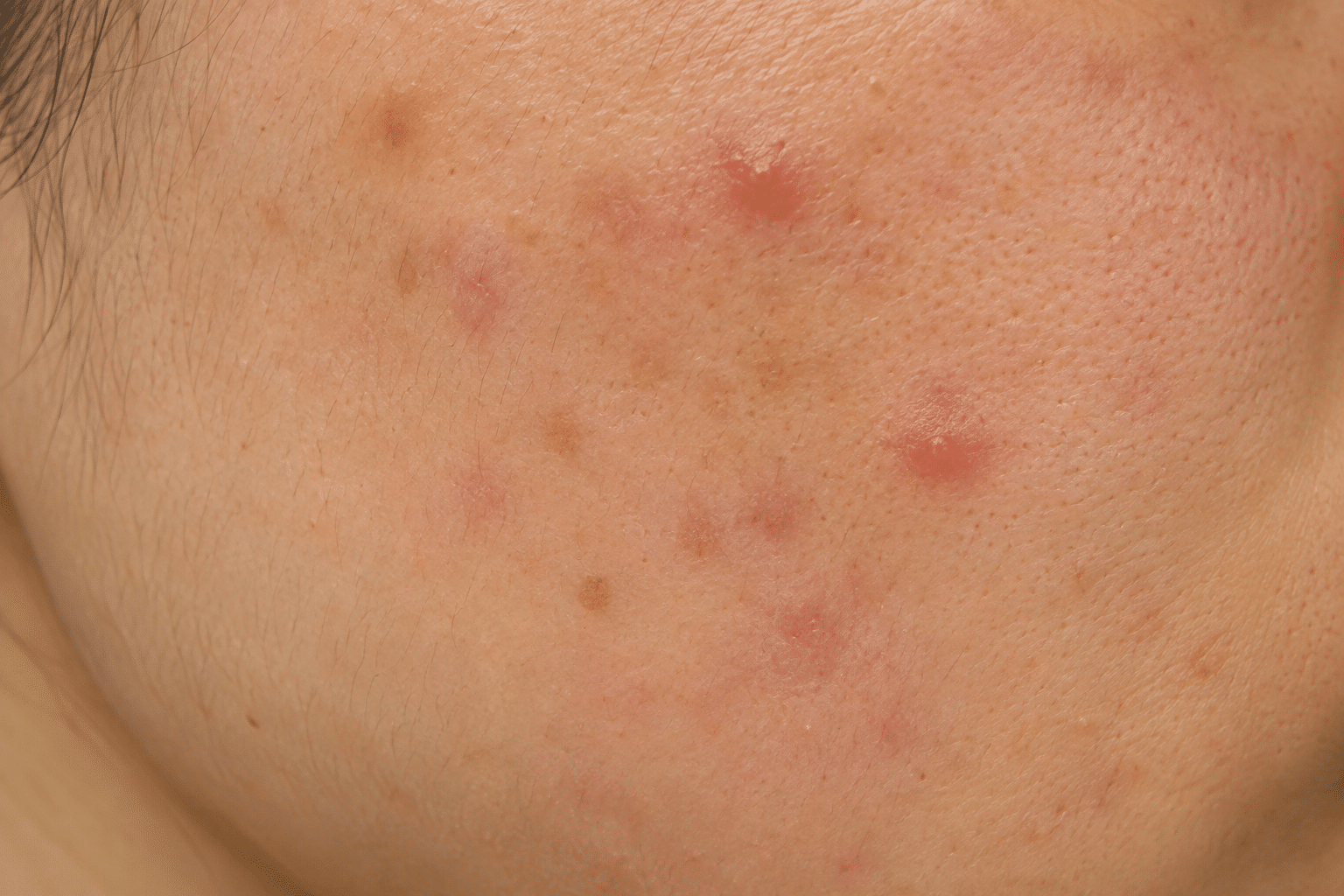
Acne presents in many forms, from blackheads and small bumps to deep, painful breakouts. The type of acne, how frequently it recurs and how your skin responds to treatment all inform the right next step.
At Cheongdam Aesthetics, every acne journey begins with a detailed skin analysis, a review of your skincare routine and treatment history, and a thorough examination by our doctor. Your personalised plan addresses active breakouts, any marks or scarring, and the level of care you can realistically sustain at home.
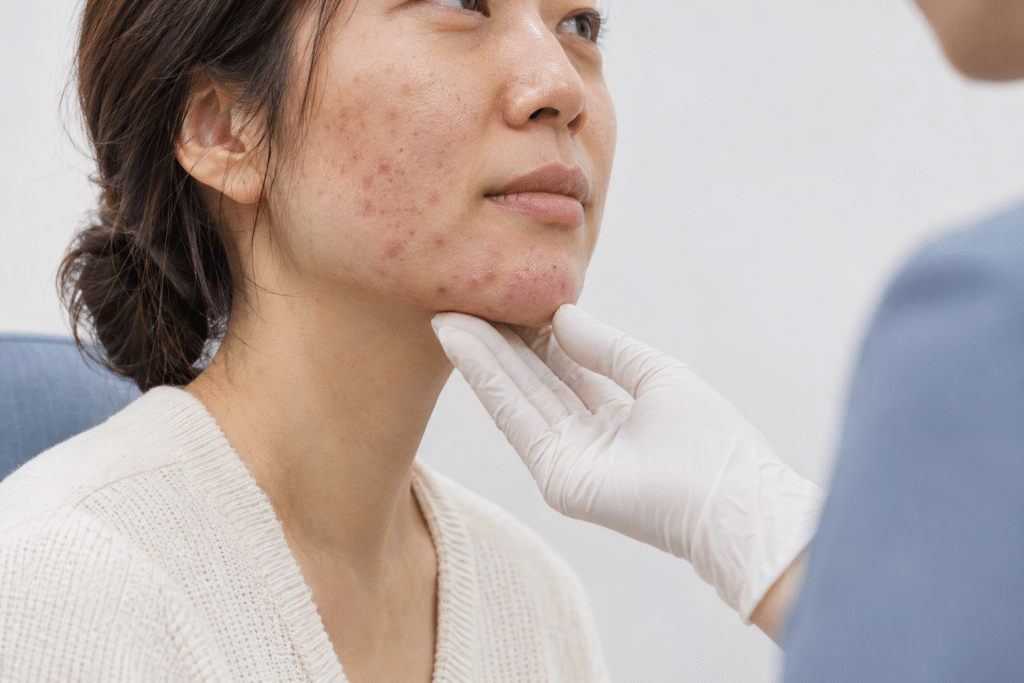
UNDERSTANDING ACNE
Acne vulgaris is an inflammatory condition affecting the hair follicle and its oil gland. It may involve the face, chest and back, and can begin in the teenage years or persist into adulthood. Several types of acne lesions often appear together.
Factors That May Contribute to Acne
- Oil Production – Hormonal activity can influence the amount of oil the skin produces.
- Blocked Follicles – Oil and skin cells can collect within a follicle, forming a comedone.
- Skin Bacteria and Inflammation – Cutibacterium acnes, a normal skin bacterium, can contribute to inflammation within acne-prone follicles.
- Individual Triggers – Family history, some medicines, pore-clogging products, and friction or occlusion can influence breakouts.
Acne is not a sign that the skin requires more cleansing. Understanding its underlying contributors helps us avoid an overly harsh routine.
Types of Acne and What You May Notice
| Type | What You May Notice | Why It Matters |
|---|---|---|
| Whiteheads | Small, skin-coloured or white bumps with a closed surface. | These are closed comedones, formed by a blocked follicle. |
| Blackheads | Small, dark plugs at the skin’s surface. | These are open comedones. The dark colour is not trapped dirt. |
| Papules | Raised, inflamed bumps that may feel tender. | Treatment aims to control inflammation as well as clear blocked follicles. |
| Pustules | Inflamed spots with a visible white or yellow centre. | Picking or squeezing can heighten inflammation and increase the risk of marks. |
| Nodules and cyst-like lesions | Deeper, painful lumps that may persist. | Medical assessment is important, as deeper inflammation can raise the risk of scarring. |
Types of Acne and What You May Notice
Breakouts may continue into adulthood or appear after years of clearer skin. Some individuals notice flare-ups around their menstrual cycle, including along the lower face. However, the location of a breakout alone does not confirm a hormonal diagnosis.
Please inform your doctor of any changes to your cycle, new medicines, supplements and pregnancy plans. Irregular periods or increased facial hair may also be relevant in determining whether further assessment is required.
How Skin Analysis Supports Your Consultation
Skin analysis and standardised photography help document your pattern of breakouts and track changes over time. Your doctor will also examine the lesions and consider your symptoms, medicines and previous treatment responses. This comprehensive assessment guides both diagnosis and treatment selection.
Acne Treatment Options
Your doctor evaluates the type and severity of your acne, your risk of scarring, skin sensitivity and previous treatment response. Your plan may combine more than one approach, with each selected for a specific purpose.
| Approach | Main Role | When It May Be Discussed |
|---|---|---|
| Topical acne medicines | Address blocked follicles, acne-related bacteria and inflammation. | Comedonal or inflammatory acne, often with ongoing maintenance. |
| Oral acne medicines | Provide systemic treatment when topical care alone is insufficient or acne is more severe. | Persistent inflammatory acne, deeper breakouts or a substantial risk of scarring. |
| Intralesional corticosteroid injection | A small amount is injected by the doctor into a selected inflamed lesion. | An individual large, painful nodule or cyst-like lesion, following assessment of suitability and risks. |
| Selected light or laser procedures | May play a complementary role for selected inflammatory lesions or associated redness. | Where the specific device, skin condition and expected benefit justify an adjunctive procedure. |
| Supportive skin management | Gentle cleansing, hydration and carefully selected care for surface congestion. | To support skin comfort and your routine alongside the medical plan. |
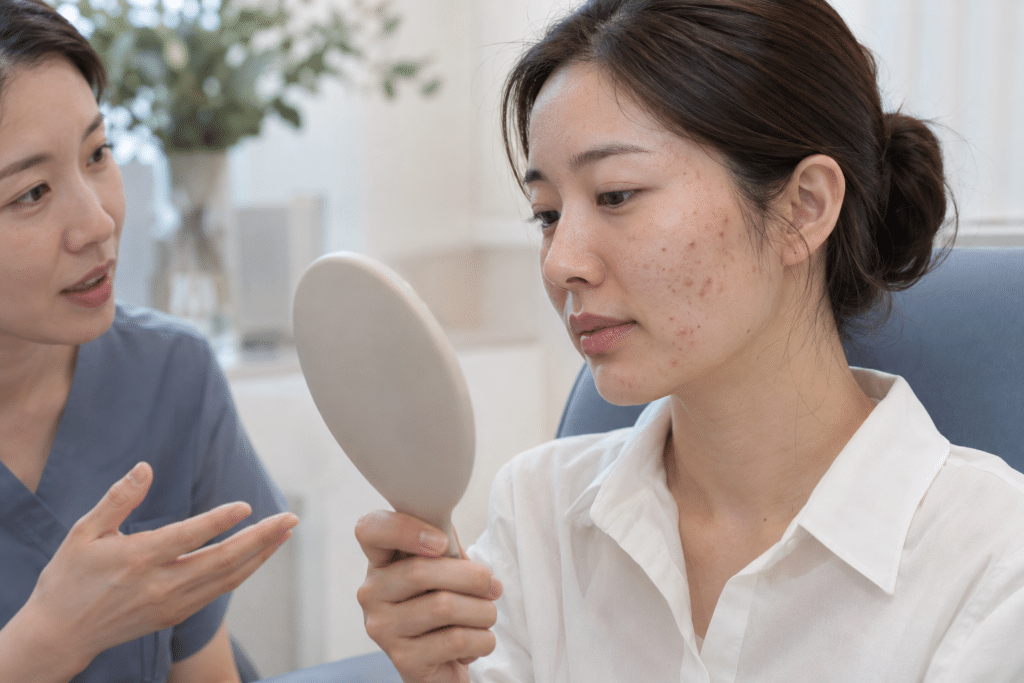
Our first priority is to reduce ongoing breakouts and limit further inflammation, while keeping your skin comfortable enough to tolerate treatment.
At each review, your doctor assesses whether new lesions are becoming less frequent, whether your routine is manageable, and whether any side effects require attention. Treatment for remaining marks or scars can then be planned according to the condition of your skin.
The specific medicines, procedures and supportive services recommended are discussed in detail during your consultation.
Understanding ACNE Medicines
Topical retinoids, such as adapalene or tretinoin, help prevent blocked follicles and reduce acne lesions over time. Dryness, stinging or peeling may occur, so please tell your doctor if irritation persists. They should be avoided during pregnancy and when planning a pregnancy.
Benzoyl peroxide reduces acne-associated bacteria, while azelaic acid may be considered for acne with brown marks. Product choice depends on your diagnosis and skin tolerance. Benzoyl peroxide may cause dryness or irritation.
Oral antibiotics may be considered for selected inflammatory acne alongside topical care, with treatment duration kept as short as possible. Hormonal treatment may suit selected patients after medical assessment, taking into account pregnancy plans, other medicines and contraindications. Both options require a prescription and follow-up.
Oral isotretinoin may be considered for severe acne, or acne that has not responded adequately to other treatment. Dry lips and skin are common, blood tests may be needed to monitor liver function and blood lipids, and any significant side effects or mood changes should be reported promptly. It can cause serious harm to an unborn baby and must not be used during pregnancy, so please tell your doctor if you are pregnant or breastfeeding and disclose all medicines and supplements.
PROCEDURES AND SUPPORTIVE SKIN CARE
Injections for Selected Inflamed Lesions
An intralesional corticosteroid injection may help settle a selected large, painful lesion. It is not a substitute for a long-term plan for recurring acne. Possible risks include a skin indentation or a lighter patch at the injection site, which is why the dose and placement require careful medical assessment.
Light and Laser Treatment
Light and laser devices serve different purposes. A selected procedure may be recommended as a complement to care for inflammatory acne or residual redness.
Persistent red marks may warrant a vascular-laser assessment, while brown marks may call for a pigment-focused plan. Your doctor will explain the intended target, expected recovery and the risk of further pigment change.
Therapist-Led Supportive Care
Supportive skin management focuses on gentle cleansing, hydration and comfort. Any extraction or exfoliation is tailored to your lesions and current medication. Painful, deep or heavily inflamed acne requires medical assessment before any intensive facial treatment is considered.
ACTIVE ACNE, MARKS AND SCARS
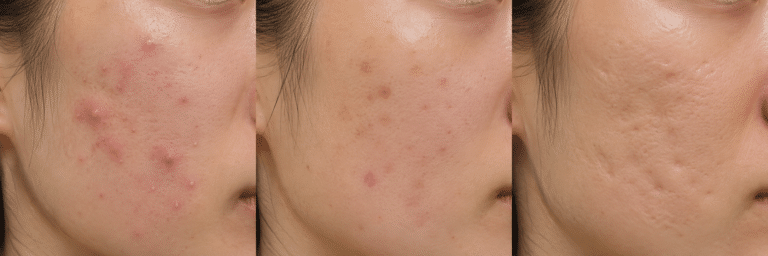
| What Remains | What It May Represent | Main Focus of Care |
|---|---|---|
| New bumps or painful lesions | Active acne. | Control ongoing breakouts and inflammation. |
| Flat brown or grey marks | Post-inflammatory hyperpigmentation. | Pigment care alongside acne control and sun protection. |
| Flat red or pink marks | Residual redness following inflammation. | Assess healing, ongoing acne activity and whether targeted redness treatment is appropriate. |
| Depressions or raised areas | Structural changes in the skin due to scarring. | Identify the scar type before discussing scar-specific procedures. |
who may benefit from an acne consultation
A consultation may be beneficial if your breakouts keep returning, products cause irritation, lesions are painful, or you are beginning to develop marks or scars. Acne that affects your confidence or daily life also deserves professional attention.
Please bring your skincare and medication list, including supplements. Let your doctor know of any allergies, previous acne treatments, recent procedures, pregnancy, breastfeeding or plans to conceive.
What to Expect During Your Acne Treatment
1. Skin Assessment
A skin analysis, discussion of your concerns and doctor's examination establish which lesions are active and whether another condition needs to be considered.
2. Personalised treatment plan
Your doctor and therapist explain the proposed care, how each treatment is used, potential side effects and the associated costs.
3. Treatment and guidance
You will receive clear instructions on your prescribed care and any suitable procedure. Any changes to your routine are discussed before treatment begins.
4. Aftercare and Review
Your progress, new lesions, tolerability and maintenance needs are reviewed before the plan is refined.
ACNE RESULTS AND RECOVERY
Improvement takes time. Early changes may become noticeable after approximately six to eight weeks, and many initial treatment plans are reviewed at around twelve weeks. Deeper or persistent acne may require a longer course, and maintenance may continue after improvement.
- Topical medicines – Dryness, stinging or peeling may occur as your routine is adjusted.
- Oral medicines – Monitoring and side effects depend on the medicine and your healthy history.
- Selected procedures – Redness, swelling, sensitivity or peeling vary with the procedure and settings used.
- Remaining marks – Brown or red marks may take longer to settle than the original breakout.
DAILY CARE FOR ACNE-PRONE SKIN
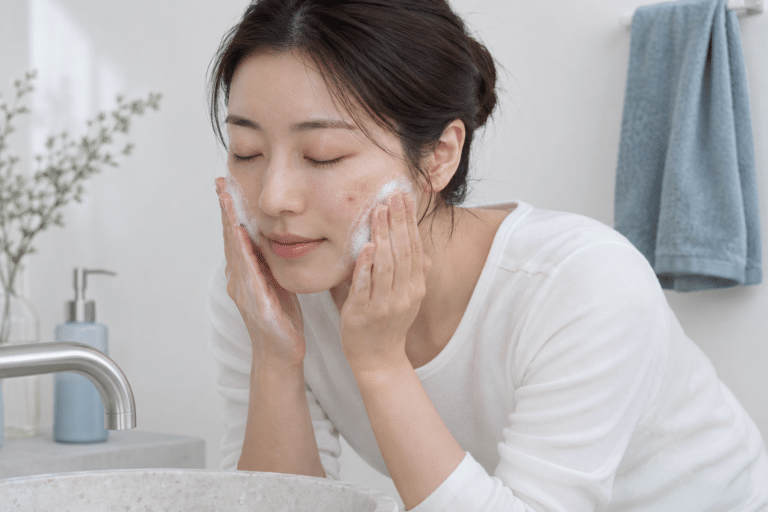
Cleanse gently
Use a gentle cleanser and avoid scrubbing. Cleansing up to twice daily, and after perspiring, is usually sufficient. Picking or squeezing can increase inflammation and the risk of marks and scarring.
Moisturise Consistently
Acne-prone skin can also feel dry or irritated, particularly during treatment. Choose a moisturiser labelled non-comedogenic, and speak to your doctor if you experience persistent tightness or stinging.
Protect Your Skin from the Sun
Apply a broad-spectrum sunscreen of SPF 50 or higher that suits acne-prone skin. Reapply during outdoor exposure as directed on the product, and make use of shade and protective clothing. Sun protection is especially important if you are prone to post-acne dark marks.
Introduce Changes Gradually
Follow your prescribed routine, and check with your doctor before layering multiple acids, retinoids or spot treatments. Please let your doctor know about repeated flare patterns, including those around your cycle, and any changes in products, medicines or supplements.
Acne Treatment and Asian Skin
Post-inflammatory dark marks can be more noticeable and persistent in deeper skin tones. Preventing further inflammation, avoiding unnecessary irritation and carefully selecting procedure settings are all essential in planning your care.
Please seek medical review for deep, painful breakouts, developing scars or an unclear diagnosis. Where the severity, diagnosis or treatment requirements call for it, your doctor may recommend referral to a specialist.
Acne Treatment Cost in Singapore
The cost of treatment depends on your consultation, prescribed care, treatment area and any procedures recommended. Following your assessment, Cheongdam provides a personalised quotation that sets out the total including GST, treatment inclusions and review arrangements.
Why Choose Cheongdam Aesthetics?
Cheongdam combines doctor-led aesthetic care with Korean skin management expertise. We begin by assessing your active breakouts, your skin’s tolerance and your previous treatment response before designing your plan. Your routine and your progress at each review shape every step that follows.
To discuss whether any treatment is appropriate for your acne concerns, book a consultation with our team.
Frequently Asked Questions
Which treatment is suitable for acne?
This depends on whether your primary concern is blocked pores, inflamed spots, deeper lesions or remaining marks. Your doctor considers severity, scarring risk and previous treatment response before recommending a plan.
Can I have acne even if my skin feels dry?
Yes. Acne-prone skin can also feel dry or irritated, especially during treatment. The choice of moisturiser and the way medicines are introduced can make your routine easier to tolerate.
Do I need oral medication?
Many cases can be managed with topical treatment. Oral medication may be considered for more persistent or severe acne, deeper inflammation or scarring risk, following medical review.
Can a facial or extraction clear recurring acne?
Selected facials, including plasma and high-frequency treatments that help reduce acne-causing bacteria, can support surface congestion and skin comfort. Recurring inflammatory acne may also need medical care, so your doctor will advise how these fit into your plan. Extraction is used selectively, never as a substitute for a proper treatment plan.
Can laser treat active acne and acne scars at the same time?
Active acne and acne scars are treated differently. A yellow laser may be used to help calm active, inflamed acne, while scars may be addressed with RF microneedling, CO2 laser, pico fractional laser or thulium laser. Your doctor will advise whether to stage or combine treatments based on your skin.
How long does acne treatment take?
Acne treatment takes time, and results are gradual. Most people notice early improvement after about 6 to 8 weeks, with a clearer picture at around 12 weeks. Mild acne usually settles within a few months, while recurring or more persistent acne often needs a longer course because medicines take time to work. Severe acne may take up to a year to bring under control, and some patients need ongoing maintenance to keep it that way. Once your breakouts are controlled, we may then begin treating any post-inflammatory hyperpigmentation or acne scars. Your doctor will review your progress regularly and adjust the plan as needed.
Can acne be treated during pregnancy or breastfeeding?
Please inform your doctor before starting treatment. Some options are unsuitable, particularly oral isotretinoin and topical retinoids during pregnancy. Your doctor will select appropriate care or advise deferring treatment.
What is the difference between acne marks and acne scars?
Flat brown or red marks involve colour changes following inflammation, whereas depressed or raised scars involve changes in skin structure. They can occur together and may require different approaches.
Book an Acne Consultation in Singapore
Discuss your breakouts, previous treatments and skin sensitivities with the Cheongdam team.
Your consultation will cover what may help, the recovery involved and the care to continue at home.
| Location | Address | Nearest MRT |
|---|---|---|
| International Plaza | 10 Anson Road, #02-34/35, Singapore 079903 | Tanjong Pagar |
| United Square | 101 Thomson Road, B1-56H/56J/56K/56L, Singapore 307591 | Novena |
| SingPost Centre | 10 Eunos Road 8, #B1-113/114, Singapore 408600 | Paya Lebar |