
Home » Pigmentation & Melasma
pigmentation and melasma treatment in Singapore
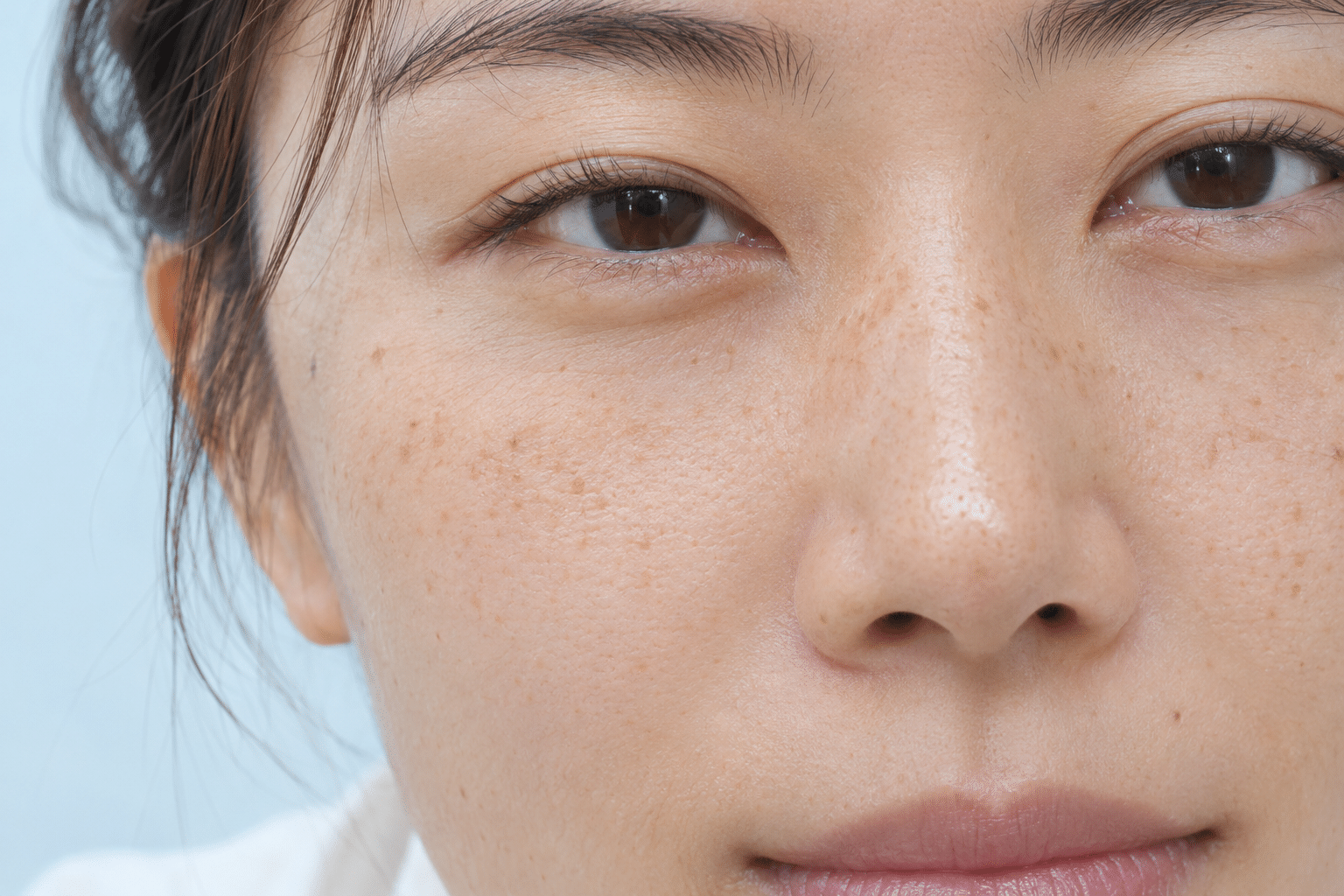
Dark spots can appear after a breakout has healed, build up gradually with sun exposure or form symmetrical patches across both cheeks. Although they may look similar, the pattern, cause and depth of the pigment help determine which treatment may improve them, and which may make them worse.
At Cheongdam Aesthetics, pigmentation treatment begins with a thorough assessment of your skin, medical history and previous treatments. Your doctor examines the type and distribution of your pigmentation and considers your skin tone, medications, hormonal factors and how your skin has responded to past products or procedures. Your doctor then explains whether topical care, laser treatment or a combination may suit you, along with what to expect from each option, including the number of sessions, recovery and the ongoing care that supports your results.

WHAT IS PIGMENTATION AND MELASMA?
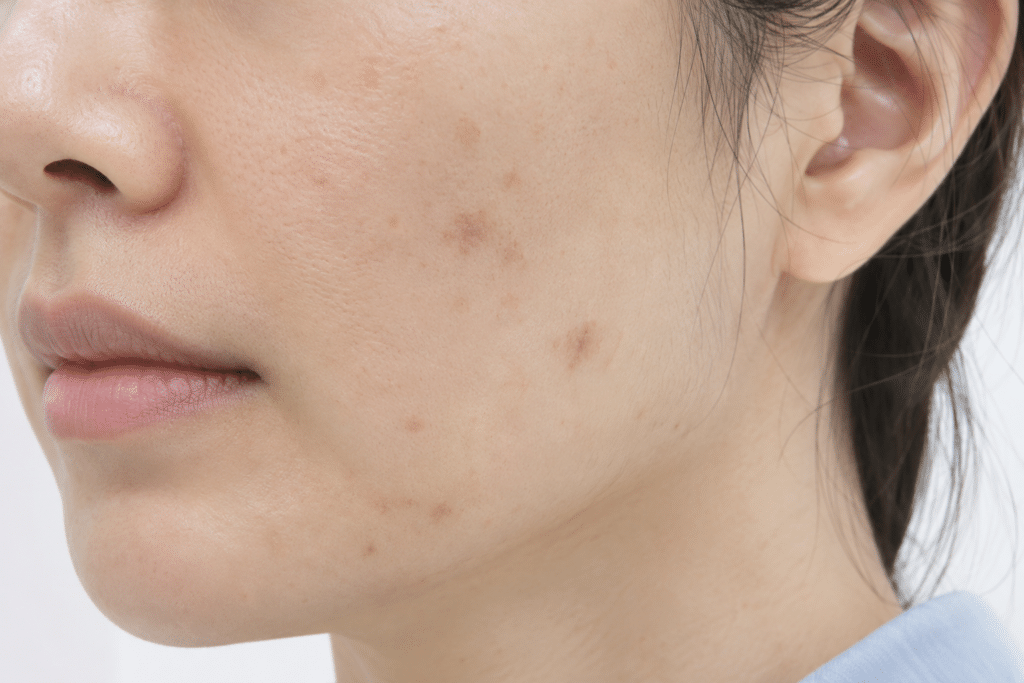
Hyperpigmentation means areas of skin look darker than the skin around them because of excess melanin, the pigment that gives skin its colour. It can appear as small defined spots, flat marks left after acne, or broader patches that make skin tone look uneven.
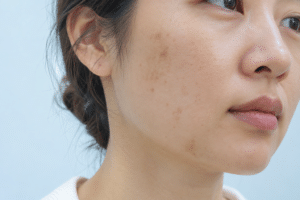
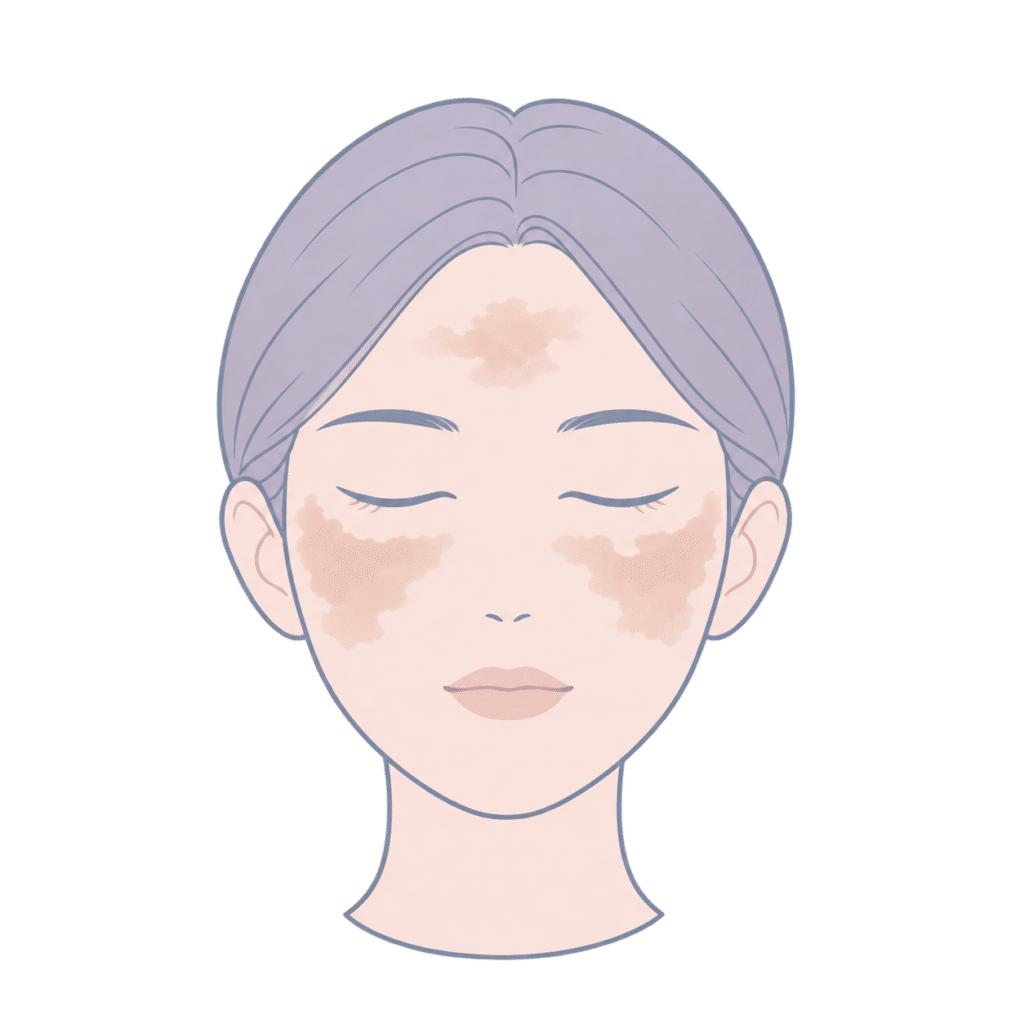
Melasma is one type of hyperpigmentation. It often shows up as brown or grey-brown patches on both cheeks, the forehead, the upper lip or the jawline, usually in a fairly symmetrical pattern. It can fade and return over time. Several pigment conditions can also occur together, such as melasma alongside sun spots or post-acne marks, which is why a clear diagnosis matters before treatment begins.
How Does Pigmentation Form?
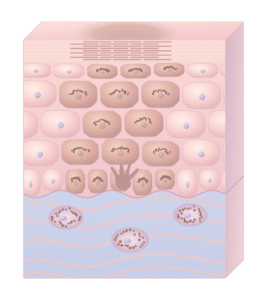
Pigment-producing cells called melanocytes sit near the base of the outer skin layer, the epidermis. They make melanin and pass it to surrounding skin cells. Sun exposure, hormones or inflammation can stimulate them to make more pigment than usual, and it may collect unevenly in the skin.
Pigment can also sit at different depths. Pigment in the epidermis is often easier to treat, while pigment in the deeper dermis can be more persistent. Some people have both. The pattern, cause and depth of the pigment help guide which treatments are appropriate and how gently they need to be approached.
What Can Contribute to Facial Pigmentation?
Pigmentation often has multiple causes, which is why it can be slow to improve and prone to recurrence.

UV Exposure
UV exposure can
trigger and deepen pigmentation. Visible light can also worsen melasma.

Hormones &
Family History
Pregnancy, hormonal medication and a family history of melasma can all contribute.
Heat
Prolonged heat may aggravate melasma in some people.

Inflammation
Acne, eczema, picking
or irritation can leave post-inflammatory hyperpigmentation

Skin tone
Medium to deeper skin tones tend to pigment more easily.
HOW PIGMENT DEPTH CAN AFFECT TREATMENT
Pigment can sit near the surface of your skin or deeper down.
Your doctor checks the type of pigmentation because this affects which treatments may suit you.
| Where the Pigment Is | What It Means | Why It Matters |
|---|---|---|
| Surface (epidermal) | Pigment mainly in the outer skin layer. | Often easier to treat. Certain creams and surface treatment care may help as your skin naturally renews itself. |
| Deeper (dermal) | Pigment deeper in the skin. | May fade more slowly, and creams may not reach it. Some conditions, such as Hori’s naevus, may need a pigment-laser assessment. |
| Both (mixed) | Pigment at more than one level. | A staged plan may address several contributors and need ongoing review. |
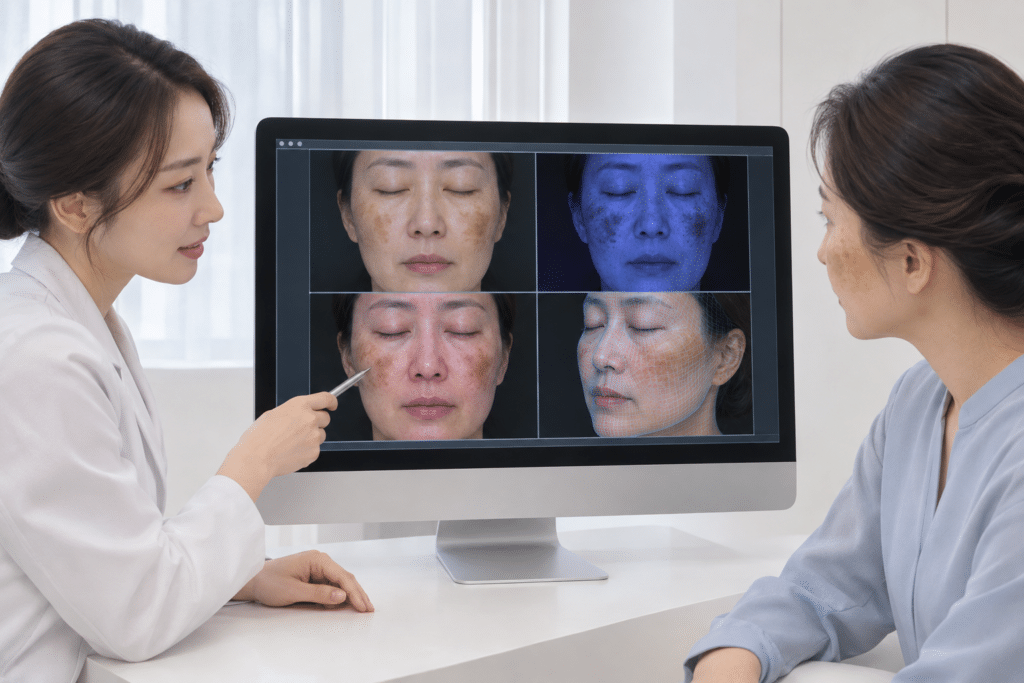
It’s hard to tell how deep pigment goes just by looking in the mirror. At Cheongdam Aesthetics, your doctor uses skin analysis devices to look beneath the surface and see how your pigment is spread across your skin. Your doctor combines these findings with a physical examination, your history and how your skin has reacted to past treatments before recommending anything.

MELASMA
| Daily sun protection to stop patches darkening. Medical creams to slow pigment production. Pico toning, a gentle laser course to lighten pigment gradually. Usually combined, with regular reviews. |
freckles
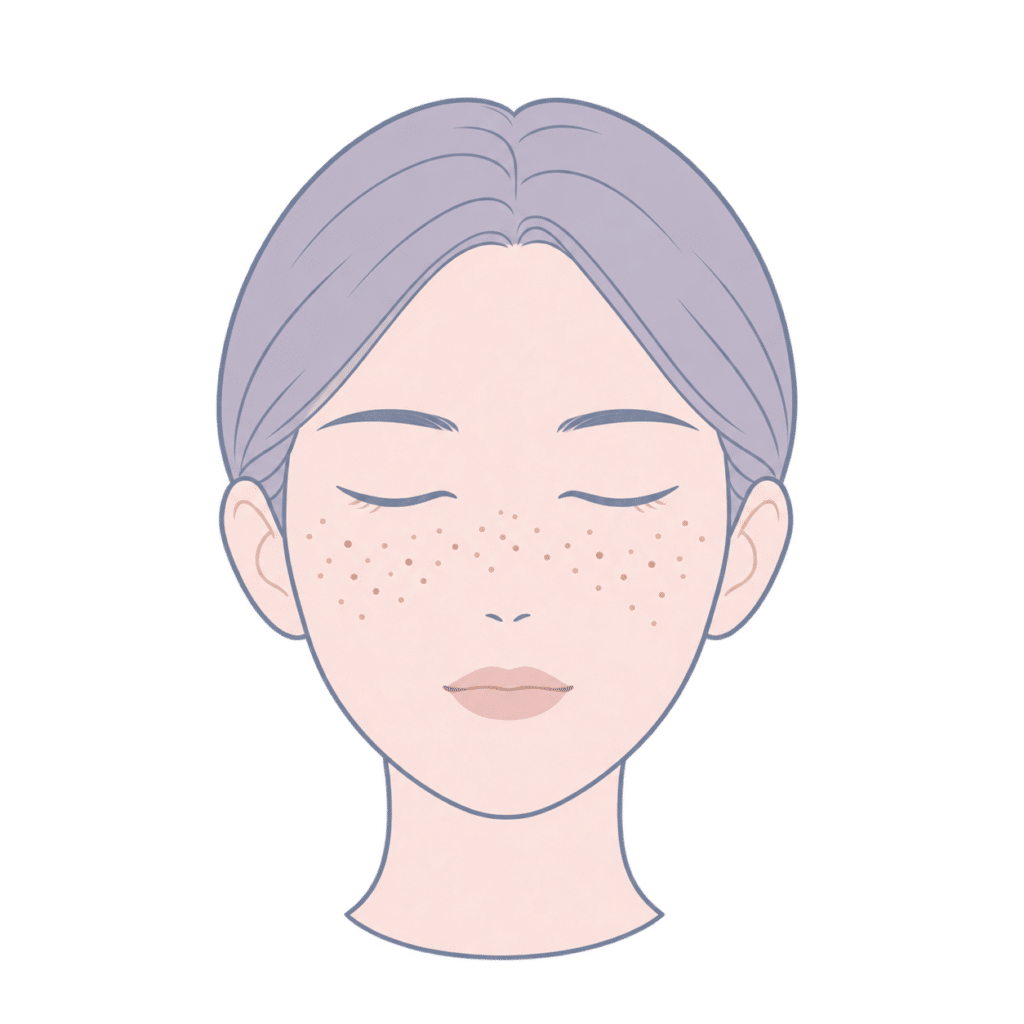
Sun protection to stop them darkening. Pigment laser if you want them lightened.
sunspots
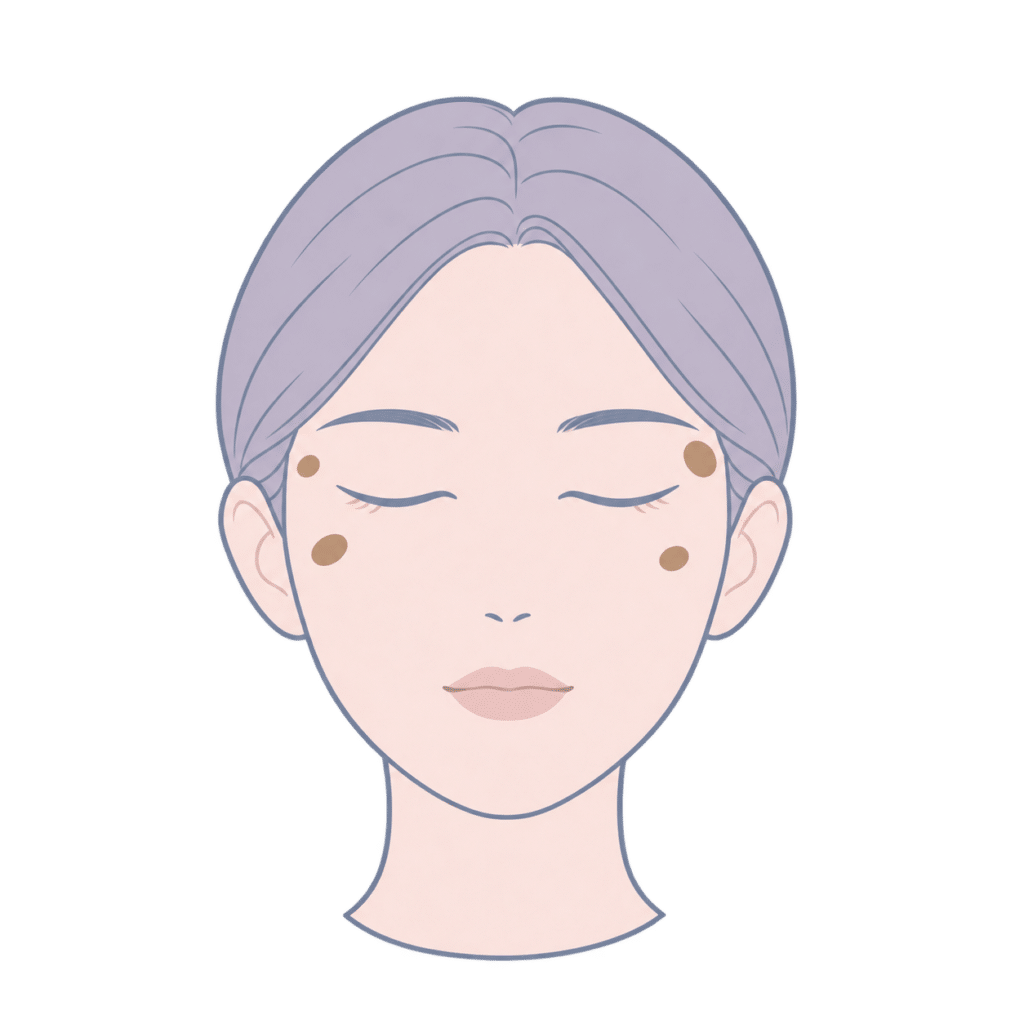
| Sun protection to stop them darkening. Pigment laser if you want them lightened. |
Post-Inflammatory Hyperpigmentation (PIH)
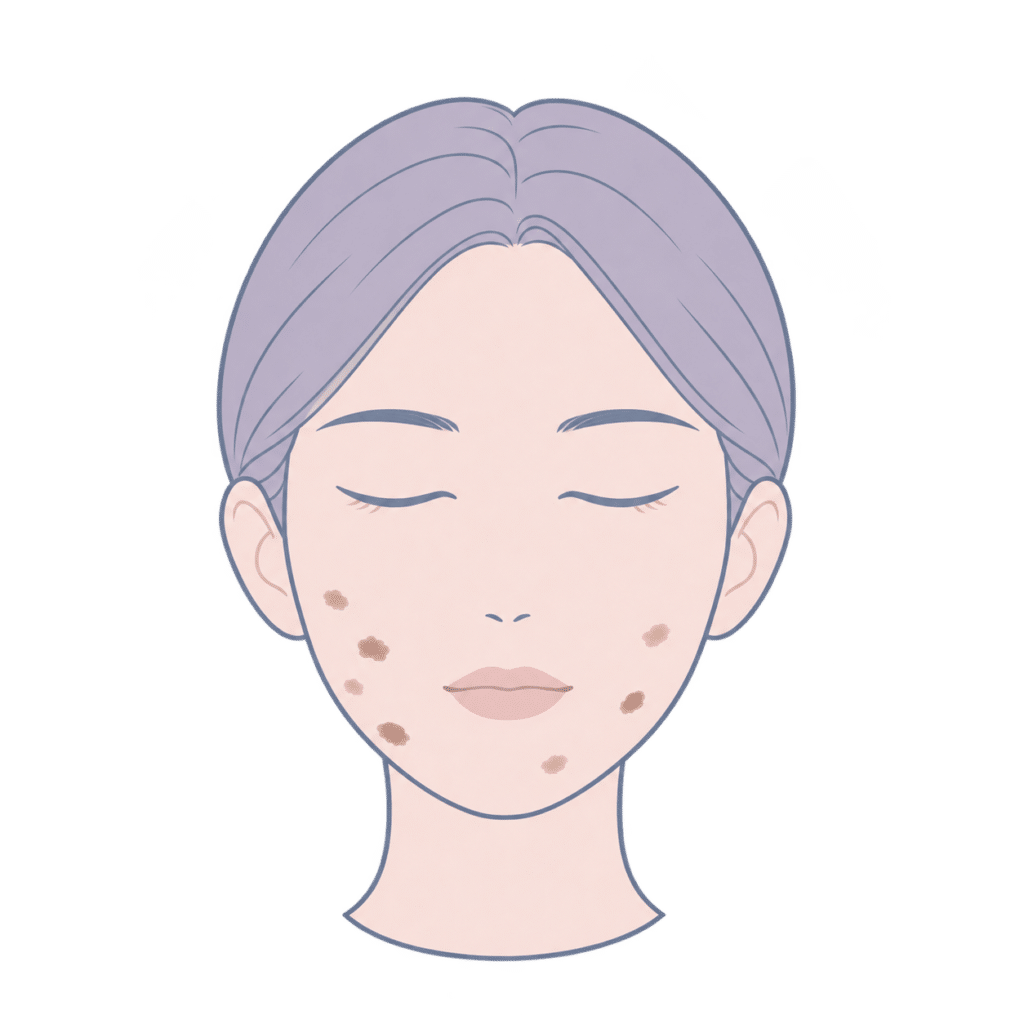
| Calming the skin so new marks stop forming. Gentle pigment care and sun protection while the marks fade. |
Hori’s Naevus
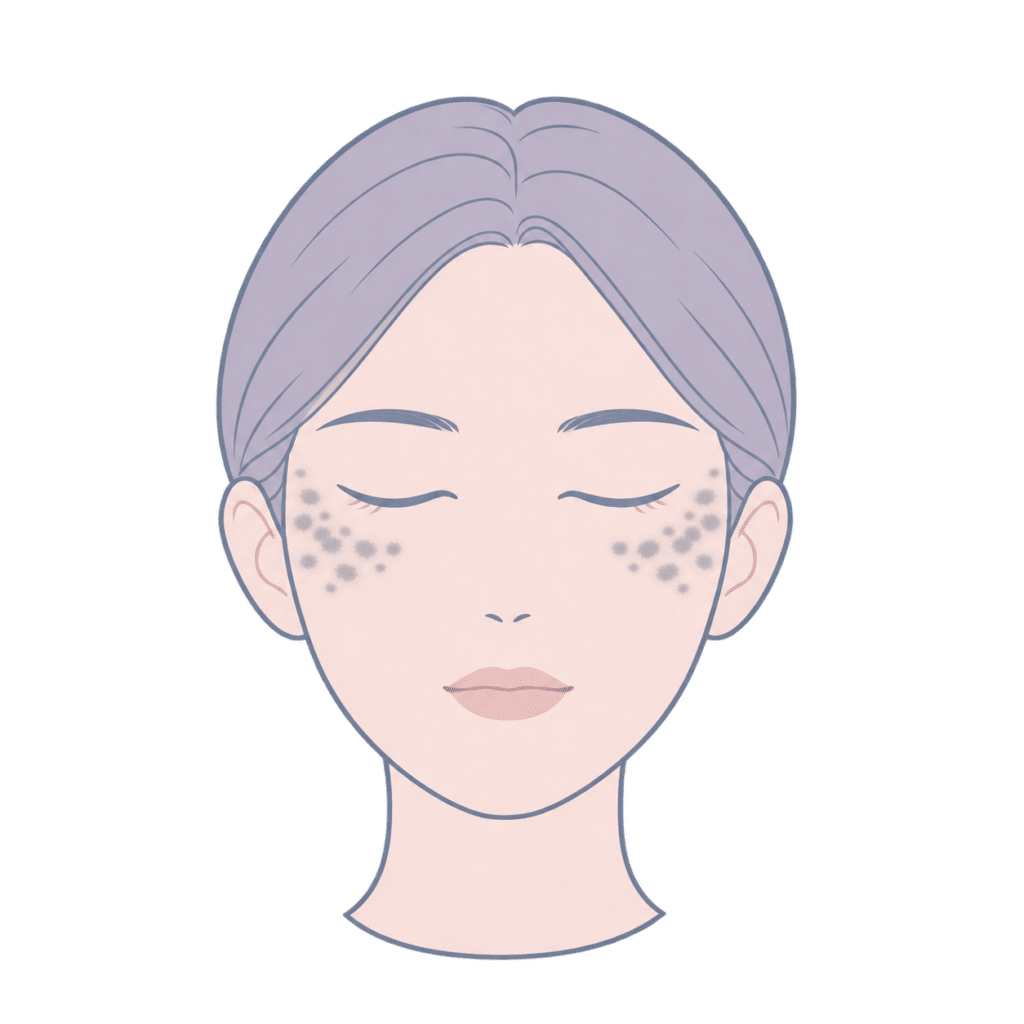
| Doctor assessment of how deep the pigment is. Pigment laser, if suitable for your skin. |
A mix of pigment and visible blood vessels

| Assessment of both concerns, as each may need a different treatment. |
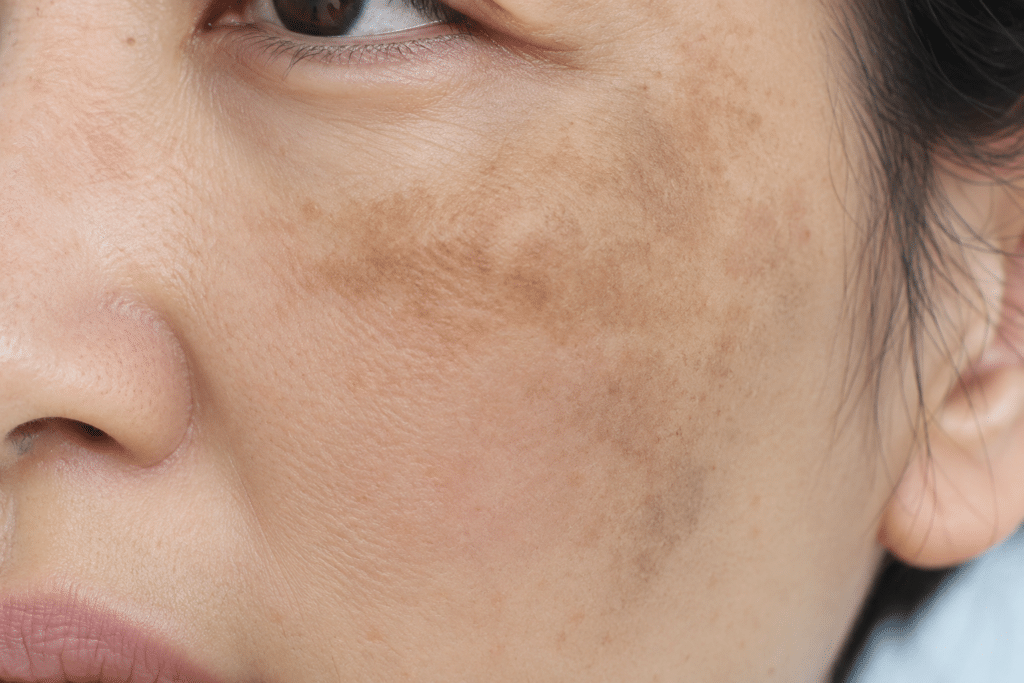
Why Melasma Can Keep Returning?
Melasma involves an ongoing tendency to produce excess pigment. Patches may fade during treatment and become more visible again when triggers continue. Pregnancy, hormonal medication, sunlight and skin irritation can contribute. A long-term plan therefore includes maintenance and a review of triggers alongside the initial treatment.
Post-acne marks have a different history. They follow inflammation at the site of a breakout, and new acne can keep creating new marks. For these concerns, controlling the inflammation forms part of pigment care.
SKIN analysis & assessment
At Cheongdam Aesthetics, we use two imaging systems to help your doctor understand your pigmentation.
The Mark-Vu skin analysis system looks at your skin under UV and polarised light. This can make pigment patterns, sun damage and uneven tone easier to see than they are in normal light, including some that are not yet obvious on the surface.
The LifeViz 3D camera takes standardised 3D photographs of your face and analyses skin features such as pigmentation, redness, pores and texture. It can produce a pigment map, which helps show how your colour is spread across your face.
Your doctor does not rely on the images alone. They interpret the results together with your skin tone, symptoms, treatment history, and a physical examination. Because lighting and camera position are kept consistent, your photos can also be compared side by side at each review to track how your skin is responding over time.
Pigmentation Treatment Options at Cheongdam Aesthetics
Treatment selection depends on the type of pigmentation, its likely depth, and your skin’s tendency to develop post-inflammatory darkening. Your doctor will assess these factors before recommending a suitable treatment plan.
| Approach | How It Works | When It May Be Considered |
|---|---|---|
| Hydroquinone and other prescription topicals | Reduce new pigment formation. The formulation is selected for the condition being treated. | Doctor-supervised care for selected melasma, post-inflammatory hyperpigmentation (PIH) or surface pigmentation. |
| Topical tranexamic acid (TXA) with LDM delivery | Topical TXA is applied alongside LDM ultrasound treatment. | An assisted topical option within an individualised plan. Evidence specific to this combination is limited. |
| Oral tranexamic acid | Acts on pathways involved in melasma-associated pigment production. | Selected melasma cases after medical review. Use for melasma is off-label. |
| Picosecond pigment laser | Ultra-short laser pulses target pigment. Wavelength and settings depend on the condition. | Selected freckles, sunspots or deeper pigmentation. Melasma requires an individualised plan. |
| Fractional thulium laser | Targets water in small zones near the skin surface to encourage renewal. | Selected superficial pigmentation and texture concerns, with added care in melasma-prone skin. |
| Vascular-targeting laser | Targets blood vessels and may address selected superficial pigmentation. | Where persistent redness or visible vessels accompany uneven skin tone. |
Laser selection also requires careful consideration of the risk of post-treatment hyperpigmentation or hypopigmentation. Where skin is sensitive or inflamed, your doctor may recommend a period of stabilisation before proceeding with any procedure.
How Melasma Treatment Is Planned
Melasma care combines sun protection, pigment-reducing treatment and gentle skin care. Your doctor reviews active inflammation, past treatment responses and medical suitability before recommending a plan.
Treatment typically begins with topical care and sun protection, adds selected procedures where appropriate, then moves to maintenance as patches lighten. Regular reviews guide adjustments to creams, medicines and recovery time.
Understanding Pigmentation Medicines
HYDROQUINONE CREAM
Hydroquinone is a well-established depigmenting agent that works by inhibiting tyrosinase, the enzyme central to melanin production. It is commonly prescribed for melasma and other forms of surface pigmentation.
In Singapore, hydroquinone is a prescription-only ingredient. Your doctor selects the formulation, application schedule and review timeline to suit your skin, and monitors your progress so treatment stays comfortable and effective.
Tranexamic Acid (TXA) with LDM Delivery
Tranexamic acid is widely studied for its role in regulating pigment production. At Cheongdam, topical TXA is paired with LDM ultrasound-assisted delivery as part of a tailored treatment protocol.
Your doctor will assess your pigment concerns and advise whether this option suits your plan. Research on LDM-assisted TXA is still emerging, so your doctor will discuss realistic expectations with you during consultation.
Oral Tranexamic Acid
Oral TXA targets pathways involved in pigment production and has been shown to improve melasma in selected patients, including in studies from Singapore. It is prescribed for mela nSuitability is assessed through a thorough medical review, including your health history and current medications. Your doctor will explain what to expect, and follow-up visits are scheduled to monitor your response and plan long-term maintenance alongside sun protection.
Who Is Pigmentation Treatment Suitable For?
A consultation can help if you have persistent dark spots, uneven tone or marks that keep returning, or if past brightening products or procedures left your skin irritated or darker.
We look at your pigment pattern, skin tone, sensitivity and how your skin has healed before. Please tell us about:
- Pregnancy or breastfeeding
- Hormonal medication, other medication and supplements
- Allergies and cold sores
- Recent peels, lasers or strong skincare products
- Personal or family history of blood clots, if oral TXA is discussed
If you have active acne or eczema, we may calm that first to help prevent further marks.
What to Expect During PIGMENTATION Treatment
1. Skin Assessment
Skin analysis, a discussion of your concerns and a doctor’s examination. Photos help track changes over time.
2. Personalised treatment plan
We explain the likely diagnosis, suitable options, recovery and cost. Many plans begin with topical care before any procedure.
3. Treatment procedure
For laser, the area is prepared and protective eyewear is provided. You may feel brief snapping, warmth or prickling, and comfort measures are tailored to the treatment.
4. Aftercare and Review
You receive guidance on cleansing, moisturising, sun protection and restarting active skincare. Progress is reviewed before settings or session timing change.
Pigmentation Results and Downtime
Pigment changes take time to assess. Some treated spots may darken briefly before fading or flaking, and melasma and PIH often need weeks to months of care.
| Treatment | What to Expect |
|---|---|
| Hydroquinone and other creams | Gradual improvement. Your routine may be adjusted if skin feels dry or irritated. |
| Oral TXA | Response is monitored over follow-up visits. |
| LDM-assisted topical TXA | Response is reviewed at each visit and depends on the formulation and protocol. |
| Pigment laser | Temporary redness, darkening or crusting. Recovery varies with settings. |
| Fractional resurfacing | Dryness, bronzing or flaking for several days. |
Daily Care for Pigmentation and Melasma
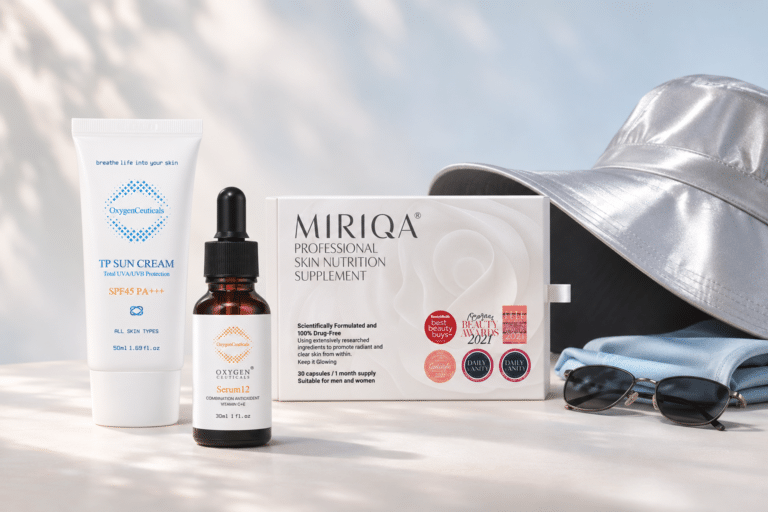
Daily sun protection reduces repeated pigment stimulation and remains part of your plan, including during maintenance.
Sunscreen and Reapplication
Use a broad-spectrum sunscreen, with SPF 50 or higher often recommended for pigmentation-prone skin. Apply generously to all exposed areas, including the face, ears and neck. Reapply at least every two hours outdoors, and after swimming, heavy sweating or towel drying.
Visible Light and Tinted Sunscreen
Visible light can worsen melasma, particularly in darker skin tones. Tinted sunscreens containing iron oxides add protection against it, and we can help you choose a suitable formula.
UV Clothing, Hats and Shade
For covered areas, choose clothing rated UPF 50 or 50+.
Add a broad-brimmed hat, UV-protective sunglasses and shade or a UV-rated umbrella outdoors.
Oral Supplement as Additional Support
Some oral supplements may complement your plan. Polypodium leucotomos extract is one ingredient studied for photoprotection and melasma. A small Singapore trial using it alongside hydroquinone and SPF 50+ sunscreen reported benefit on some measures, though other controlled research has been mixed. Supplements are an optional extra and do not replace sun protection.
Clinic exclusive: MIRIQA® Skin Extra Strength. This daily supplement combines Polypodium leucotomos with white tomato extract (PhytoflORAL®), olive-derived hydroxytyrosol and L-cysteine, and is available only through selected aesthetic clinics. Ask your doctor whether it suits your plan. Your doctor or pharmacist can also review the formula, other medicines and suitability during pregnancy or breastfeeding.
Pigmentation and Melasma Treatment Cost in Singapore
Cost depends on your diagnosis, treatment area, prescribed care and any procedures in your plan. After your assessment, you receive a personalised quotation covering the total including GST, treatment inclusions and review arrangements.
Why Choose Cheongdam Aesthetics?
Cheongdam combines doctor-led aesthetic care with Korean skin management. We assess your pigment pattern and how your skin responds before planning treatment, with your sensitivity, recovery preferences and home routine in mind.
To discuss whether any treatment is appropriate for your pigmentation concerns, book a consultation with our team.
Frequently Asked Questions
Is pigmentation treatment safe for asian skin?
Asian skin can be prone to post-inflammatory hyperpigmentation (PIH), so treatment is planned conservatively. Laser and light treatments carry risks such as prolonged redness, darker or lighter patches and, rarely, burns or scarring. We select settings based on your skin tone, recent sun exposure and healing history.
Melasma can flare after irritation or procedures, so we may prepare the skin first, use a test spot where suitable and review before each new session.
When should a dark spot be checked?
Please have a spot assessed if it is new, changing in size, shape or colour, bleeds, itches persistently or looks different from nearby spots. A dermatologist may need to examine it before any cosmetic treatment.
Which treatment is suitable for pigmentation?
It depends on the cause. Freckles, sunspots, melasma and post-acne marks each follow different patterns and respond to different approaches. Your doctor will diagnose first, then discuss options.
Can melasma be removed permanently?
Melasma usually needs ongoing management. Patches can lighten with treatment, but recurrence is possible, so daily protection, suitable skincare and regular review matter after improvement.
How are hydroquinone and TXA used for pigmentation?
Hydroquinone reduces new pigment production. TXA may be used topically or prescribed orally for selected melasma cases, and Cheongdam also offers topical TXA with LDM delivery. The right option depends on your diagnosis, medical suitability and follow-up.
Is laser treatment suitable for melasma?
Laser may be considered for selected cases alongside skin care and sun protection. Because of the risk of flare or pigment changes, your doctor may recommend topical care first.
How long does melasma treatment take?
Improvement is gradual. The American Academy of Dermatology notes that results can take 3 to 12 months, sometimes longer. Your plan is reviewed based on how you respond.
What is the difference between brown and red acne marks?
Brown or grey marks may reflect PIH, while red or pink marks can involve vascular changes after inflammation. Both can occur together, so colour and history guide treatment.
How many pigmentation laser sessions will I need?
This depends on the condition, pigment depth, settings and your response. Some spots respond within a short course, while recurring or deeper pigment may need longer. We decide on the next session after each review.
Can pigmentation be treated during pregnancy or breastfeeding?
Please tell your doctor before starting. Sun protection and gentle skincare are suitable, and your doctor will advise on products and whether to defer medicines or elective procedures.
Can pigmentation return after treatment?
Yes. Sun exposure, inflammation or hormonal changes can trigger it again, particularly in melasma, which is why ongoing care is part of the plan from the start.
Should everyone with melasma take an oral UV supplement?
Not necessarily. Suitability depends on the ingredients, your health history and your plan. Some small studies support an adjunctive role, but sunscreen, reapplication, clothing and shade remain central for everyone with melasma.
Book a PIGMENTATION and melasma
Consultation in Singapore
Your consultation reviews your skin condition, concerns, and medical history to identify an appropriate next step. Talk with the Cheongdam team about your dark spots, previous treatments, and skin sensitivities as well. Your consultation covers what may help, what recovery involves, and the care to continue at home.
| Location | Address | Nearest MRT |
|---|---|---|
| International Plaza | 10 Anson Road, #02-34/35, Singapore 079903 | Tanjong Pagar |
| United Square | 101 Thomson Road, B1-56H/56J/56K/56L, Singapore 307591 | Novena |
| SingPost Centre | 10 Eunos Road 8, #B1-113/114, Singapore 408600 | Paya Lebar |