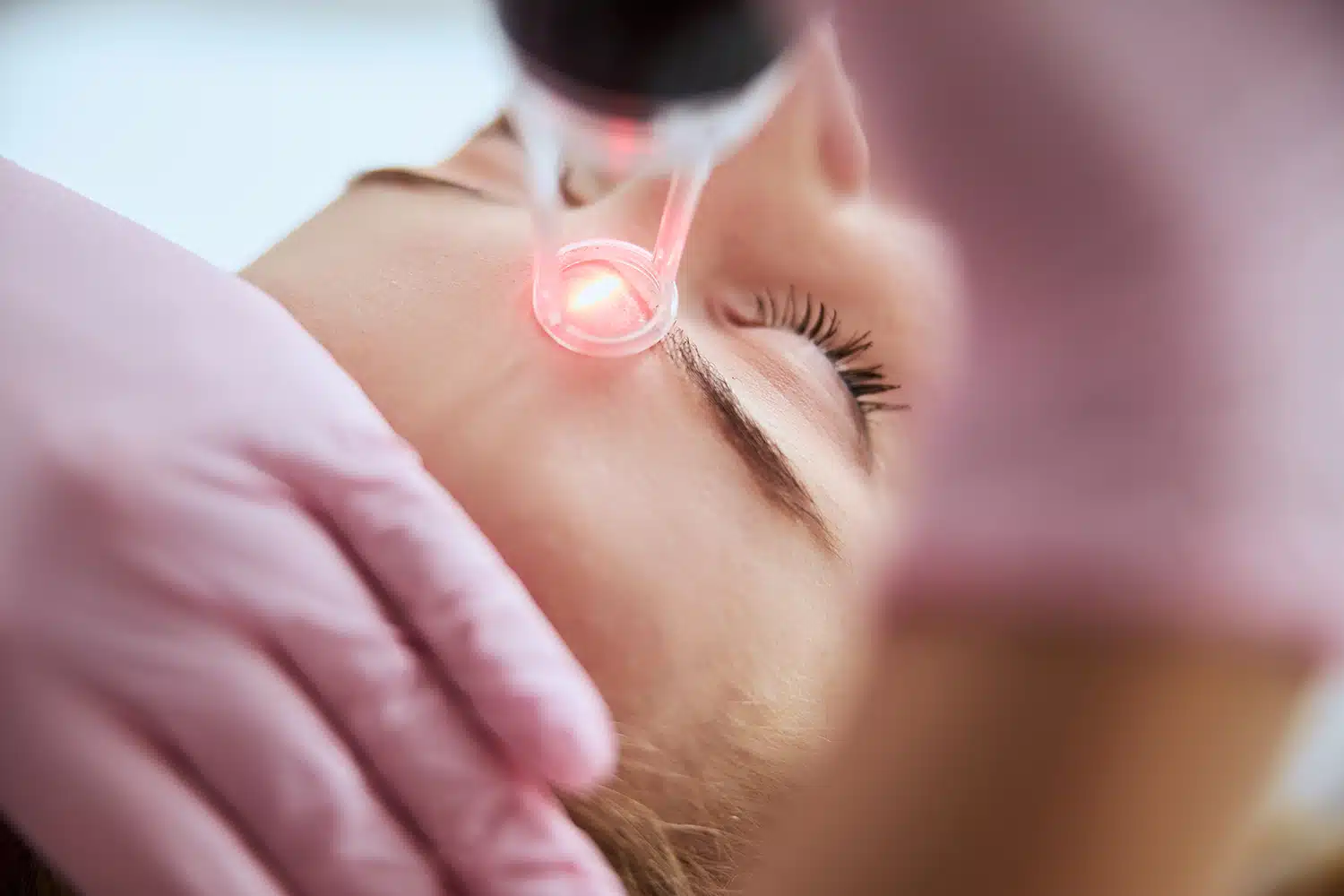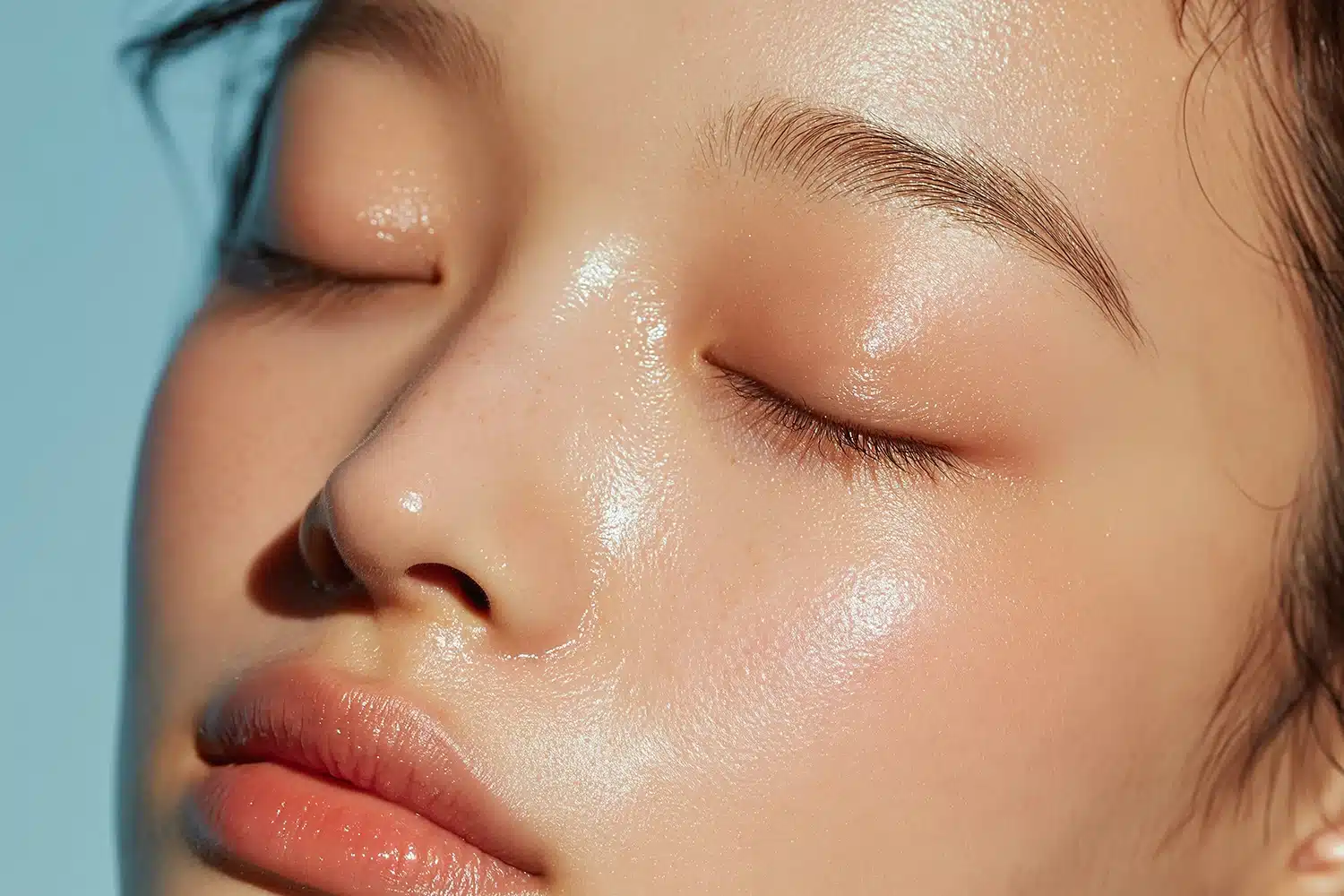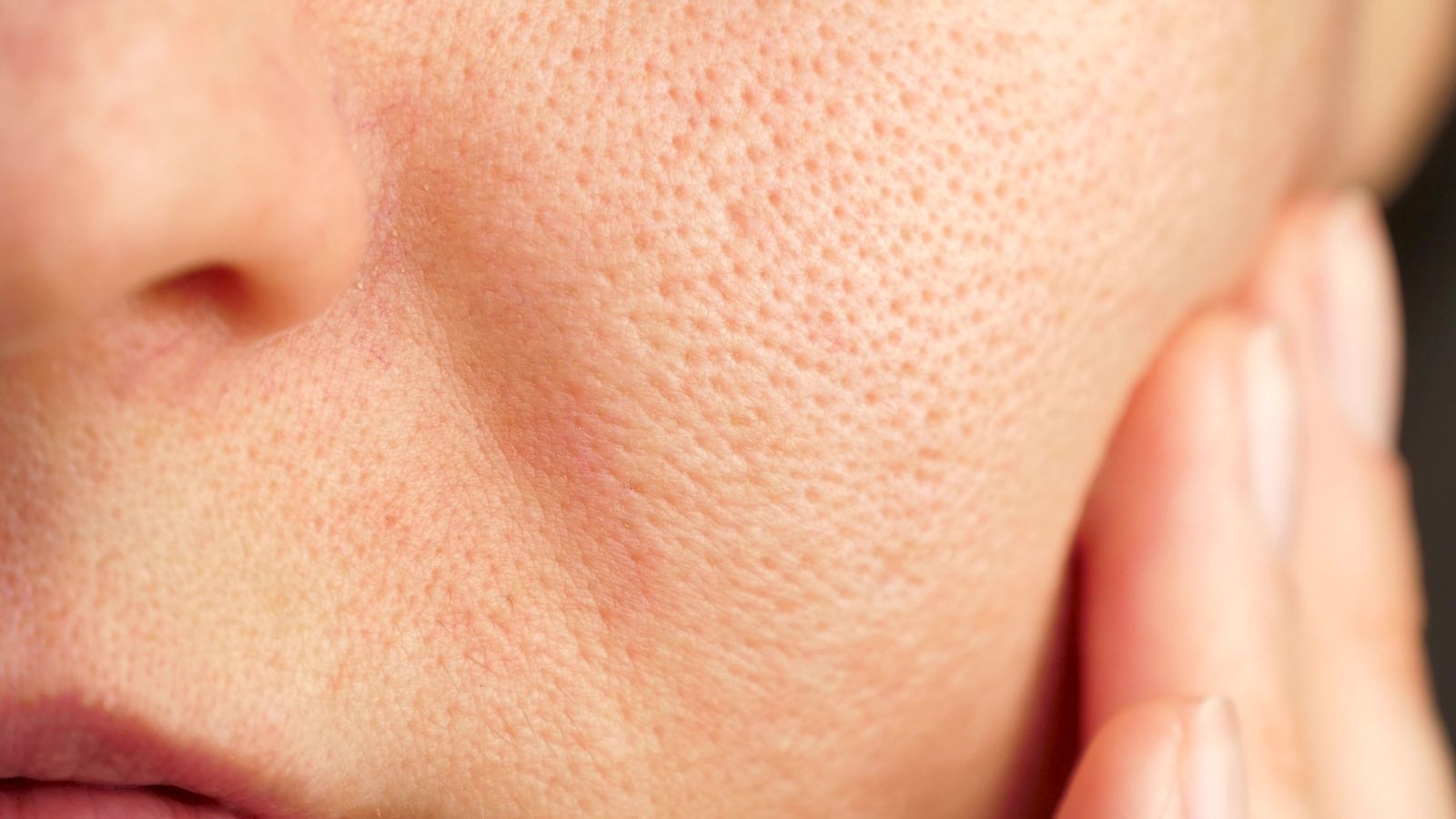
Enlarged pores are common and do not necessarily indicate unhealthy or poorly cleansed skin. Enlarged pores treatment in Singapore aims to improve their appearance and surrounding texture, rather than remove normal follicular openings.
Oil production, congestion, inherited characteristics and reduced elasticity can contribute in different ways. Assessment also distinguishes pores from depressed acne scars, which may require another approach.
The facial pores are openings of hair follicles associated with sebaceous glands. Sebum travels through these follicles to reach the skin’s surface. Higher oil output and larger follicular openings are associated with more visible pores. Congestion and changes in the surrounding skin can make them more noticeable. This is more complex than oil simply stretching the pore from inside.
There are four major clinical causes of enlarged facial pores:
These factors often overlap, and more than one may be relevant to your skin at any given time.
Naturally oily skin and hormonal influences can contribute to pore visibility. Congestion from oil and dead skin cells may add to the appearance. Visible pores alone do not establish that oil glands are overactive or that extraction is needed.
As the skin ages, collagen and elastin production slows. The connective tissue surrounding each pore becomes less firm, and without that structural support, the pore opening appears wider. This explains why pores that were barely noticeable in your twenties can become more prominent in your thirties and forties, even on skin that is not particularly oily.
Inherited characteristics influence follicle size, oil production and skin structure. People with similar routines can therefore have different pore visibility.
Cumulative UV exposure contributes to collagen breakdown and photoageing, which can worsen texture and elasticity. Sun protection helps limit further damage but cannot erase every existing change.
Singapore’s combination of heat and high humidity creates conditions that many people with oily or combination skin find particularly challenging. Heat, sweating and surface oil can make skin appear shinier and pores more noticeable.
Singapore’s climate does not permanently open pores. Air-conditioning, irritating products and over-cleansing can also contribute to dehydration or sensitivity alongside oiliness. A suitable routine should manage oil and congestion while supporting the skin barrier, rather than trying to strip away all sebum.
Pores cannot be permanently reduced in size, closed or eliminated and any claim that a product or treatment will “close” or “eliminate” them is not accurate. Treatment may reduce their visible appearance, but genetics, oil production and ageing continue to influence the result.
Treatment goals may include:
Distinguishing pores from scars before selecting a procedure is important as well. Because the underlying factors do not resolve after a single course of treatment, maintaining results requires ongoing care.
Not sure what is driving your pore concerns or where to start? A skin assessment at Cheongdam Aesthetics will identify the underlying cause and help you understand which approach is appropriate for your skin. Book a consultation.
The table provides a general guide. Evidence and recovery depend on the exact product, device and protocol; the categories are not a ranking.
| Option | How it works | Evidence strength | Downtime | Sessions |
|---|---|---|---|---|
| Skincare Actives (Retinoids, Niacinamide, Salicylic Acid) | Retinoids may improve comedones and texture; niacinamide can support barrier function and may help oiliness; salicylic acid can help follicular congestion | Moderate to good for individual actives; a randomised, double-blind, split-face study found significant reductions in pore and skin unevenness counts after eight weeks of treatment with 4% niacinamide | No procedure recovery, but irritation, dryness or flaking can occur | Ongoing use as tolerated; improvement usually takes consistent use over weeks |
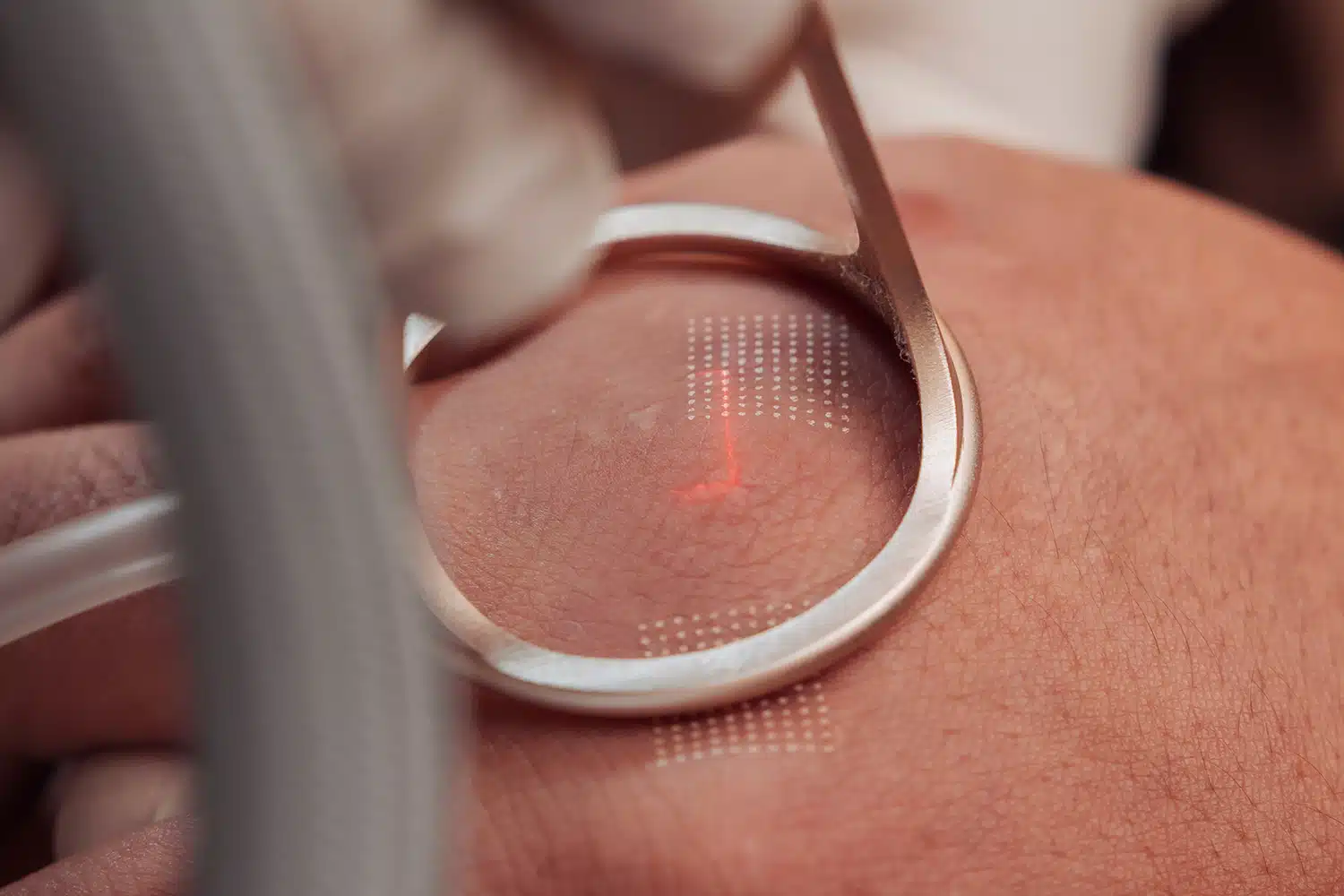
| Pico Laser Toning / Fractional Pico | Fractional optical attachments create concentrated treatment zones for tissue remodelling. | Small controlled studies support fractional Pico for pore appearance. These results should not be attributed automatically to standard toning | Redness, swelling or pinpoint marks may occur; intensity determines recovery | A series of sessions, with intervals based on protocol and response |
| RF Microneedling for Enlarged Pores | Needles deliver RF heating at selected depths. Golden X RF Microneedling offers pulsed and continuous modes; other RF devices have different delivery systems | A preliminary clinical study found 51–75% improvement in pore size in 62.5% of patients treated with fractional microneedle RF | Redness, swelling, needle marks or crusting for several days; intensive treatment may take longer | A series of sessions, with intervals based on protocol and response |
| Fractional CO2 Laser | Creates microscopic columns of treated tissue while leaving surrounding areas intact, prompting collagen remodelling that may improve texture and pore appearance over time | Evidence supports selected scars and texture concerns; pore improvement is variable and should not be guaranteed | Surface healing may take around one to two weeks; redness may persist longer | Individualised; repeat treatment only after suitable recovery and review |
| Thulium Baby Skin Laser | 1927 nm fractional energy targets water in relatively superficial tissue, addressing selected tone and texture concerns | Early clinical studies support photoageing applications; pore-specific evidence is more limited and protocol-dependent | Redness, dryness, roughness, bronzing or fine flaking for several days, sometimes longer | A series may be considered; spacing depends on intensity and healing |
| Ultherapy Prime / Shurink Ultraformer MPT | Focused ultrasound produces localised heating at a nominal 1.5 mm depth to support remodelling; actual tissue targeting depends on anatomy. Ultherapy Prime provides real-time visualisation | Small focused-ultrasound studies suggest pore improvement associated with elasticity changes. Evidence does not establish identical results for these two platforms or all 1.5 mm protocols | Often limited interruption; tenderness, redness, swelling or temporary altered sensation can occur | Individualised treatment and review; repeat timing should not be inferred from a generic lifting schedule |
The strongest match depends on the cause and associated concerns. Fractional resurfacing, pigment toning and ultrasound are different procedures, even when they are all discussed for skin quality.
Cheongdam’s Golden X RF Microneedling uses settings selected for skin and concern. If uneven pigmentation is also present, Pico Laser will be beneficial, while fractional Pico requires a different handpiece attachment and protocol.
Thulium Baby Skin Laser may suit selected surface texture and uneven tone concerns. Ultherapy Prime and Shurink Ultraformer MPT may be discussed where reduced firmness contributes to the appearance of the pores, but they do not exfoliate or clear blocked pores.
| Profile | Main cause | Starting point | In-clinic options |
|---|---|---|---|
| Oily skin with congestion | Oiliness and comedones may contribute to enlarged pores | Gentle cleansing, suitable moisturiser and selected acne or congestion care; Salicylic Acid, Niacinamide or a Retinoid may be considered. | Manage active acne first. Consider a procedure only if residual texture or pore concerns justify it; Pico or CO2 laser may be suitable options. |
| Pores more visible alongside ageing-related texture changes | Reduced elasticity and changes in surrounding skin | Sun protection and assessment of texture, skin thickness and firmness | Selected fractional Pico or RF microneedling; CO2 where suitable. Consider focused ultrasound treatments if firmness is relevant |
Your doctor will assess which profile applies and whether a combined approach is appropriate. Both profiles benefit from consistent sun protection and a stable skincare routine, since procedures alone cannot compensate for unmanaged UV exposure.
Daily care can improve congestion and support procedure outcomes, without guaranteeing permanently smaller pores. These habits will not shrink pores on their own, but they help maintain the results of enlarged pores treatment and slow the rate of future enlargement.
| Habit | Why It Matters | What to Do |
|---|---|---|
| Sun Protection | UV exposure contributes to photoageing and changes in elasticity and texture. |
|
| Gentle Cleansing | Harsh cleansing can irritate the barrier; it does not reliably solve oiliness |
|
| Non-Comedogenic Products | Some products may contribute to congestion in susceptible skin |
|
Introduce active ingredients gradually and pause irritating products around procedures as advised. Retinoids should be avoided during pregnancy. Do not squeeze pores or repeatedly use aggressive strips or extraction.
If you have been managing enlarged pores with skincare alone and not seeing the results you want, an in-person assessment helps clarify what is driving the concern and which treatment approach makes sense for your skin.
At Cheongdam Aesthetics, your doctor will assess your skin condition, sebum output, pore distribution and treatment history before recommending a plan. Aftercare instructions will be provided, and our team will follow up closely to check on your skin’s recovery and address any concerns. Our team will explain the recommended enlarged pores treatment in Singapore and applicable fees before you proceed.
Consultations are available at three locations across Singapore:
They may temporarily remove some visible buildup, but do not permanently change follicle anatomy. Aggressive or repeated use can irritate skin and cause marks. Sebaceous filaments are normal and can recur after removal.
Not necessarily on a fixed schedule. Ongoing skincare is often useful, while procedure maintenance depends on the concern, benefit and response. Review should guide further treatment rather than automatic repeat sessions.
There is no universal number. Device, settings, skin condition and recovery influence the plan. Improvements are assessed over time before additional sessions are recommended.
Yes. Irritation, acne flares or post-inflammatory hyperpigmentation can occur, especially in pigment-prone skin. Other risks depend on the procedure. Tell the clinic about past reactions and follow the aftercare instructions.
Options discussed after assessment may include skincare and congestion management, fractional Pico or CO2 laser, RF Microneedling or Thulium laser. Ultherapy Prime and Shurink Ultraformer MPT may be considered where improving firmness is relevant; they are not substitutes for acne or congested skin treatment.