Choosing a skin laser treatment because it is widely recommended, rather than because it is clinically matched to your concern, is one of the most common reasons people end up disappointed. Here is how to avoid that.
Dark spots, persistent redness and acne scars can look similar at first glance, but they do not necessarily need the same treatment. The right skin laser treatment depends on the right diagnosis, your skin tone, treatment history and the recovery time you can accommodate.
This guide compares Pico, Yellow, Thulium and CO2 lasers, alongside Cheongdam’s Pico Mix and Match and Diamond Glow Programme, to help you understand the options before a consultation.
Lasers work by delivering concentrated light energy into the skin. What varies is the wavelength, how deeply it penetrates, and what tissue it targets. These differences determine whether a laser is even capable of addressing your concern.
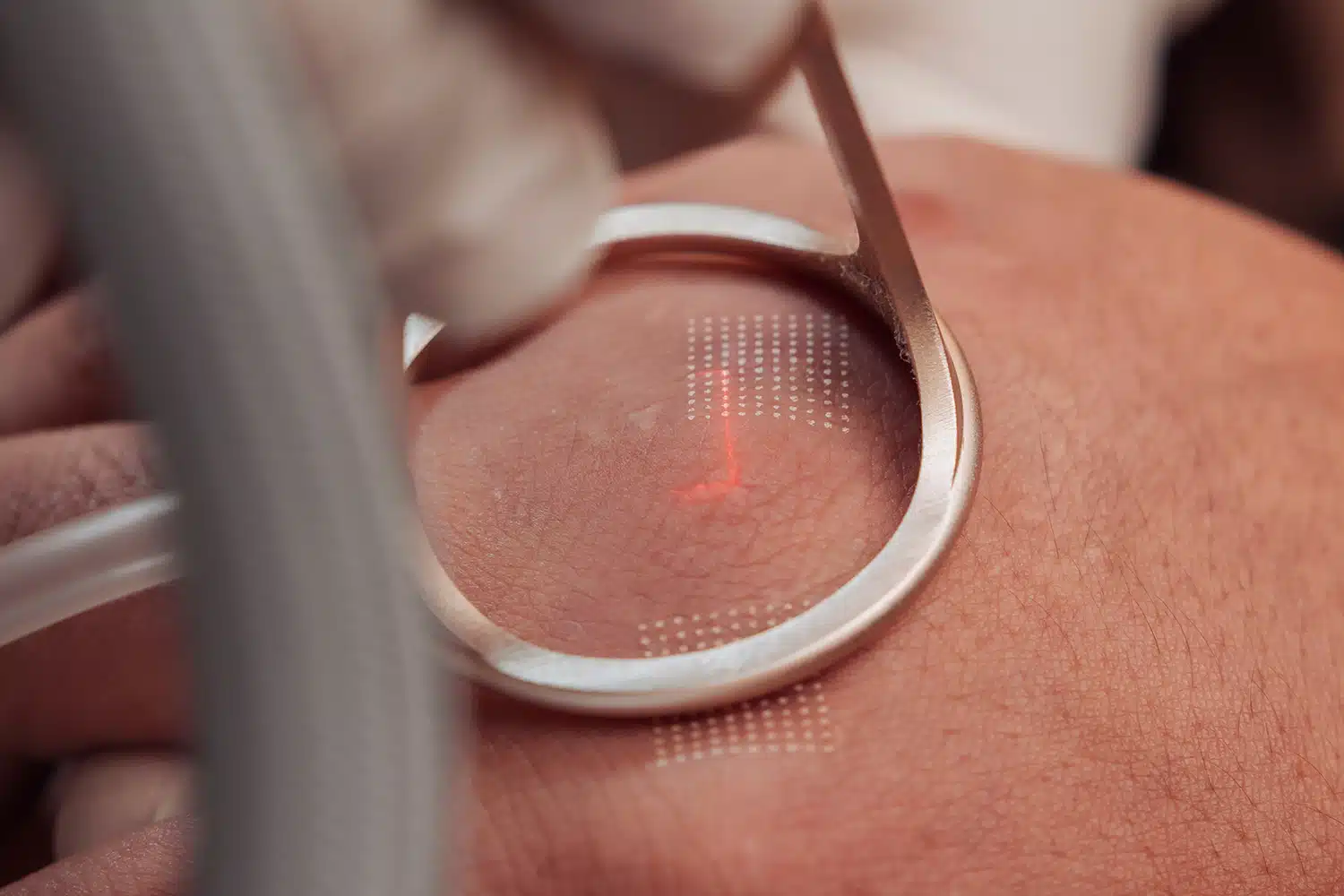
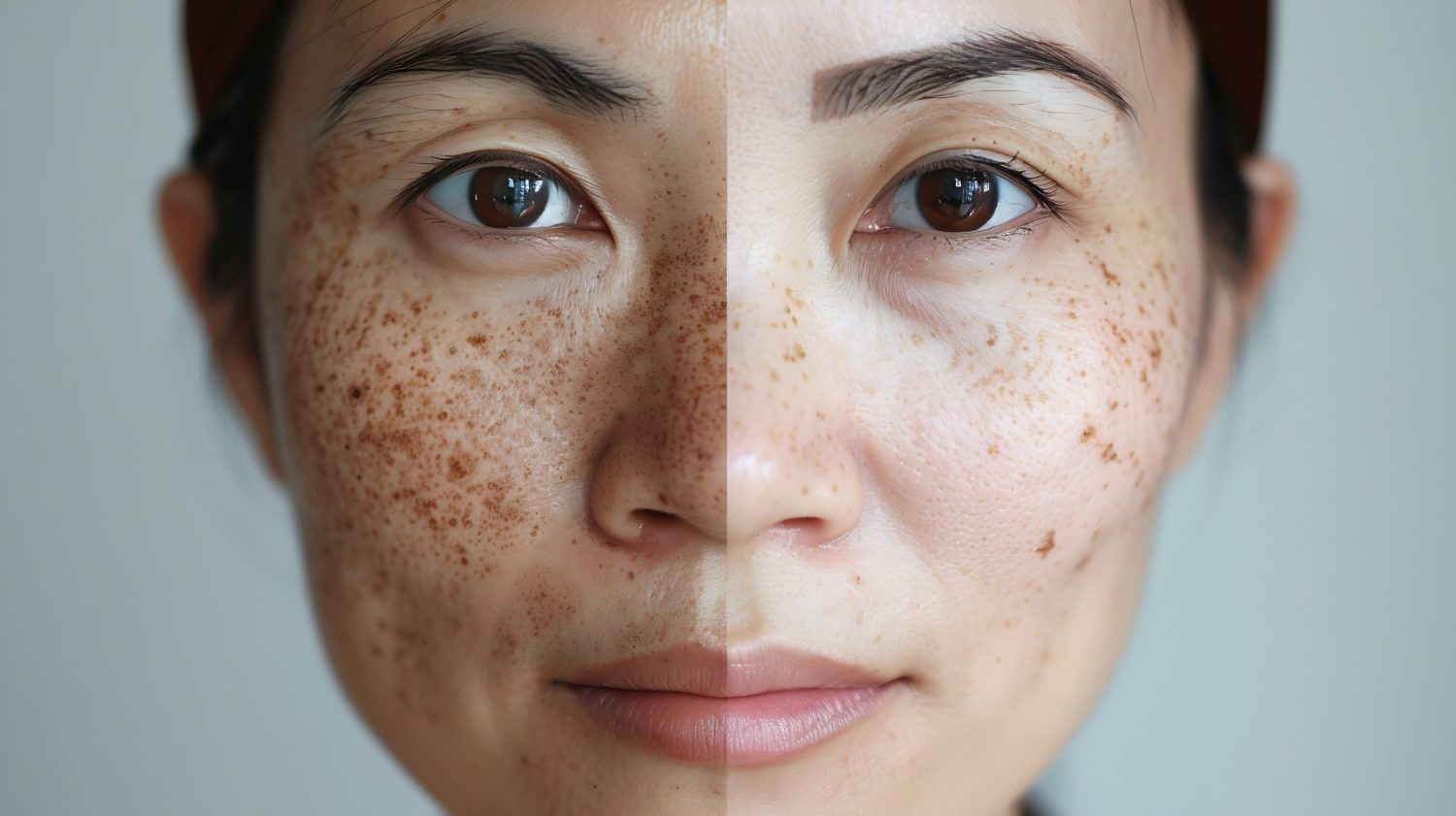
Pico lasers deliver energy in ultra-short picosecond pulses, generating a photoacoustic (pressure-based) effect that shatters pigment particles while limiting heat damage to surrounding tissue. They are well-suited to treating pigmentation concerns such as dark spots, melasma, and uneven skin tone, and are also used for tattoo removal and skin rejuvenation.
Pico-Toning and Full Pico are different treatment approaches. Toning is generally gentler, while Full Pico may include fractional treatment and require more recovery.
Pico is not automatically suitable for every dark patch. Your doctor should first identify whether the concern is melasma, post-inflammatory pigmentation, sunspots or another conditoon.
CO2 lasers creates microscopic columns of controlled skin injury, leaving areas of surrounding skin intact. The laser vaporises damaged tissue and stimulates a wound-healing response that drives new collagen production, a process that continues for months after treatment which may improve depressed acne scars and uneven texture. This makes CO2 laser a well-established option for deep acne scar treatment and textural irregularities.
However, the trade-off is more significant downtime compared to other options. Suitability depends on scar type, skin tone, treatment intensity and risk of pigmentation changes.
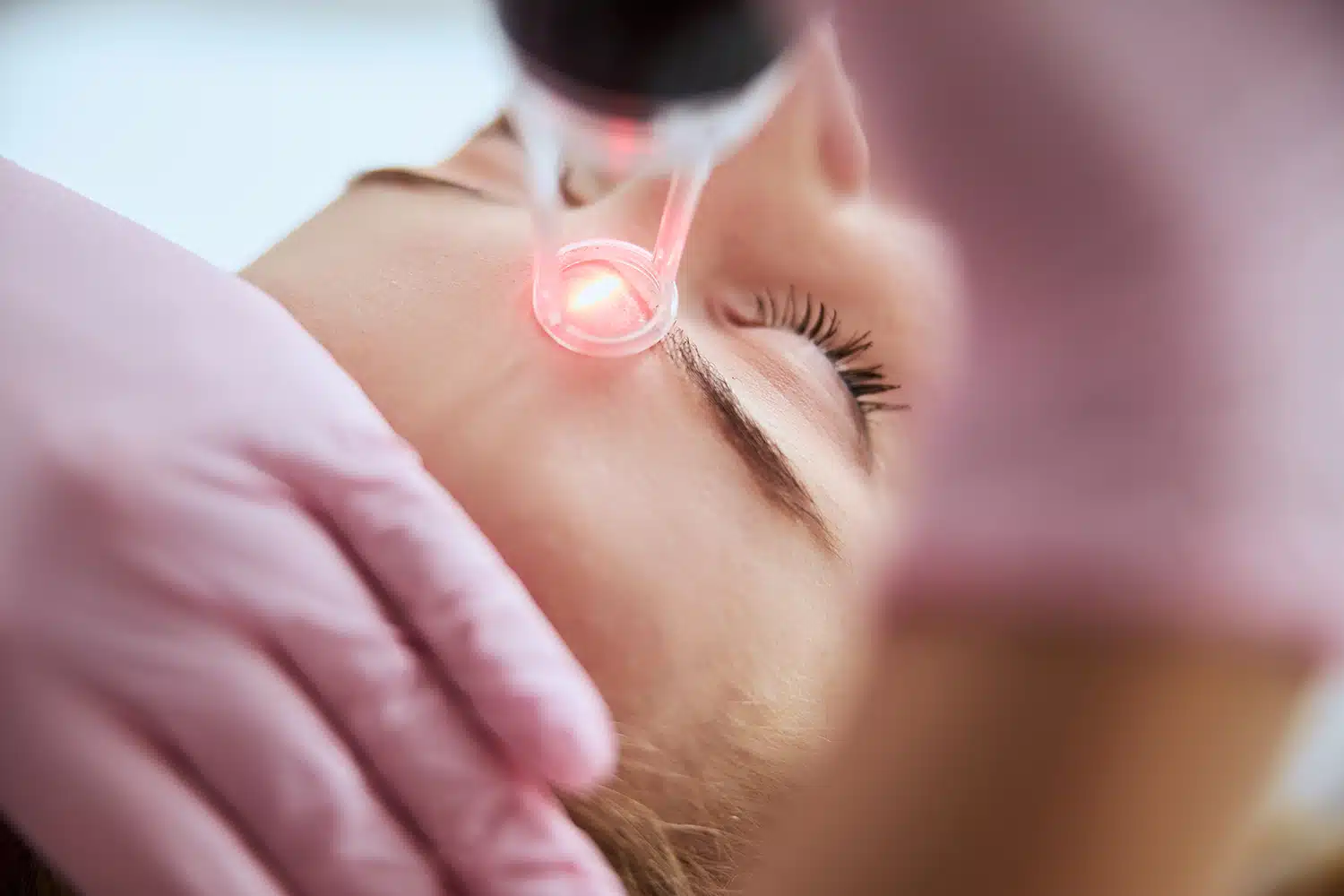
Yellow lasers target oxyhaemoglobin, the pigment in blood vessels, making them particularly useful for redness, rosacea, and diffuse facial flushing. Cheongdam’s Yellow Laser uses a 577nm wavelength, A prospective study of 95 patients found significant improvement in more than 60% of rosacea, telangiectasia, and erythema cases treated with the 577nm yellow laser, with transient redness as the only reported complication.
Rosacea is a chronic condition. Improving visible redness does not eliminate every trigger or replace medical treatment when needed.
Thulium Baby Skin Laser is a 1928nm non-ablative fractional treatment. Its energy is absorbed by water, creating microscopic thermal zones in the superficial skin to support renewal.
It may be considered for superficial pigmentation, sun-related changes, uneven tone, rough texture and fine lines. It generally focuses on surface quality rather than deeper structural acne scars.
Diamond Glow Laser is a combination programme that combines Full Pico Laser and Full Yellow Laser. It may be considered when overall luminosity, uneven tone, pigment-related and vascular concerns and dullness are occurring together.
It is a combination programme rather than a separate laser technology. Because it includes a full laser protocol, patients should plan for recovery rather than assume it is a no-downtime treatment.
Pico Mix & Match combines one laser core treatment with two intensive skin treatments selected after assessment. The standard core is Pico-Toning or Yellow-Toning, with a full laser upgrade available when appropriate.
The supporting treatments may be arranged before the laser, after it or one on either side according to the preparation and recovery needs. Despite its name, the programme can use Yellow laser when better suited to the concern.
| Skin Concern | Recommended Starting Point | What Matters |
|---|---|---|
| Selected dark spots or pigmentation | Pico Laser; Thulium Laser for selected superficial concerns | The pigmentation diagnosis, wavelength and skin tone |
| Melasma | Pico Laser, medications and sun protection | Relapse and worsening pigmentation remain possible |
| Acne scar treatment | CO2 Laser, Fractional Pico Laser or combination | Depends on scar type, depth, and whether scars are tethered |
| Redness, rosacea, vascular concerns | Yellow Laser | Whether redness is vascular, inflammatory or caused by another condition |
| Pigmentation with redness | Diamond Glow Programme | Whether both laser components are appropriate |
| Skin brightening and tone correction | Pico Mix & Match Programme | Choice of laser core and supporting treatment, minimal downtime |
| Enlarged pores or uneven texture | Thulium, fractional Pico, CO2 Laser or combination | Skin condition, realistic improvement and recovery needs. |
A retrospective study at the National Skin Centre Singapore found that picosecond laser was effective in treating dermal pigmentary conditions in Asian patients with Fitzpatrick skin types III and IV, with minimal risk of post-laser complications compared to nanosecond lasers.
For acne scar treatment, scar depth and type determine the most appropriate approach. Deeper scarring is likely to benefit from CO2 resurfacing or radiofrequency microneedling in combination with laser. An in-person assessment is the only reliable way to establish which route suits your skin.
Cheongdam Aesthetics offers in-depth consultations to help determine which treatment is appropriate for your skin concerns. Book a consultation here.
| Comparison | Pico Laser | Yellow Laser | CO2 Laser | Thulium Laser | Pico Mix and Match | Diamond Glow |
|---|---|---|---|---|---|---|
| Primary Target | Selected pigmentation; texture and acne scars with fractional modes | Redness, visible vessels and post-acne redness | Depressed acne scars and uneven texture | Superficial pigmentation, sun-related changes and rough texture | Laser-suitable concerns with personalised skin preparation and recovery support | Coexisting pigmentation, textural and redness |
| Mechanism | Ultra-short pulses produce a mainly photoacoustic effect; fractional modes create controlled treatment zones | Light absorbed by haemoglobin targets blood vessels | Ablative microcolumn trigger healing and collagen remodelling | Water absorbs 1927nm energy, creating fractional thermal zones for skin renewal | One laser core + two intensive skin treatments | Full Pico + Full Yellow |
| Depth | Can target pigment at different skin depths; depends on wavelength and mode | Targets vessels within the skin; reach depends on vessel skin and settings | Treats the surface and extends into the underlying skin; depth depends on settings | Mainly the surface and upper layers of skin | Depends on selected laser and supporting treatments | Depends on the Pico and Yellow settings used. |
| Suitable skin tones | Most, with care | Most, with care | Requires careful assessment, particularly for darker skin | Most, with care | Suitability depends on every selected component | Suitability must be assessed for both lasers |
| Sessions typically needed | Usually a series; number depends on the pigmentation or texture concern | Often a series; maintenance may be needed | Often a series; scar type and severity determine the course | Usually a series, adjusted to skin response | Personalised course; reviewed according to response | Personalised based on concerns |
These figures are indicative rather than fixed. The number of sessions needed, and the results achievable, will depend on your skin type, the severity of your concern, and how your skin responds to initial treatment.
Cost depends on the treatment area, laser mode, intensity and procedures included. Ask whether the quoted fee includes consultation, numbing, aftercare and GST.
Cheongdam Aesthetics can provide a quotation after establishing the appropriate treatment plan. Comparing price alone can be misleading when two sessions involve different modes or treatment coverage.
Temporary redness, swelling and sensitivity and with resurfacing, peeling or crusting may occur. Potential complications include burns, infection, scarring and darker or light patches of skin.
Pigmentation changes are a particular concern in darker skin tones and pigmentation-prone skin. Laser can still be considered in selected patients, with careful device selection, settings and aftercare.
Before treatment, tell your doctor about:
These factors may change treatment suitability, timing or precautions.
In many cases, combining two or more technologies produces better outcomes than either treatment alone.
Pigmentation with textural scarring: Pico Laser combined with Golden X RF Microneedling or Morpheus8 allows each modality to address what it does best, often at lower energy settings, reducing the risk of side effects.
Redness with uneven tone: Yellow Laser combined with a brightening skin booster for a more balanced result.
Combination protocols need to be built around a proper skin assessment. Stacking too many treatments too quickly, or combining incompatible modalities without appropriate spacing, can impair healing and produce the opposite of the intended result.
Most treatments are performed with a topical numbing cream applied 20 to 30 minutes beforehand. Pico and yellow lasers are generally tolerable. CO2 laser involves greater thermal energy and may be more uncomfortable, though anaesthetic cream significantly reduces discomfort for most patients.
No. The CPF Board confirms that Medisave cannot be used for optional or cosmetic treatments. There may be limited exceptions for certain medical conditions. Confirm directly with your clinic and insurer.
With pico laser for pigmentation, some lightening may be noticeable within two to three weeks. CO2 laser results become visible as the skin heals, typically within two to three weeks, with collagen remodelling continuing for three to six months. Yellow laser improvement for redness tends to be gradual. Most programmes require multiple sessions to deliver sustained improvement.
Yes. An inappropriate wavelength or energy level on active melasma can trigger a rebound inflammatory response that darkens the area. Ablative lasers at too high a setting on darker skin tones carry a meaningful risk of permanent hyperpigmentation or, less commonly, hypopigmentation. An informed assessment before treatment is essential.
Because the laser you searched for may not match your actual concern. A thorough skin assessment may reveal that your pigmentation has a vascular component requiring yellow laser first, or that your acne scar concerns need a combination approach, perhaps CO2 laser alongside Morpheus8, rather than the pico laser session you had planned. A clinic that confirms your existing choice without examining your skin is not necessarily serving your best interest.
At Cheongdam Aesthetics, the starting point is always your skin, not a treatment menu. Protocols are developed with a Korean clinical advisory team and delivered by accredited doctors. A consultation helps identify your concerns, assess treatment suitability and discuss expected results, recovery and cost.
Book a consultation to discuss a treatment plan suited to your skin.