Choosing between pico laser and CO2 laser is not a choice between two similar options. It is a choice between two fundamentally different approaches to skin correction.
One removes surface skin and rebuilds from beneath. The other leaves the surface intact and works through pressure rather than heat. They overlap in a few areas, but they are not interchangeable. Using the wrong pico laser treatment or CO2 laser for your skin concern can lead to further issues down the line.
Pigmentation, acne scars and uneven texture can occur together, but they do not always need the same treatment. Pico laser and CO2 laser work differently, and the appropriate choice depends on your diagnosis, skin tone, treatment history and recovery needs.
The comparison also depends on the treatment mode. A gentle Pico-Toning session is different from fractional Pico treatment for scars and texture. Understanding this distinction helps you compare treatments more meaningfully.
Key Points Before You Choose:
Ablative vs Non-Ablative: What Does That Mean for Your Skin?
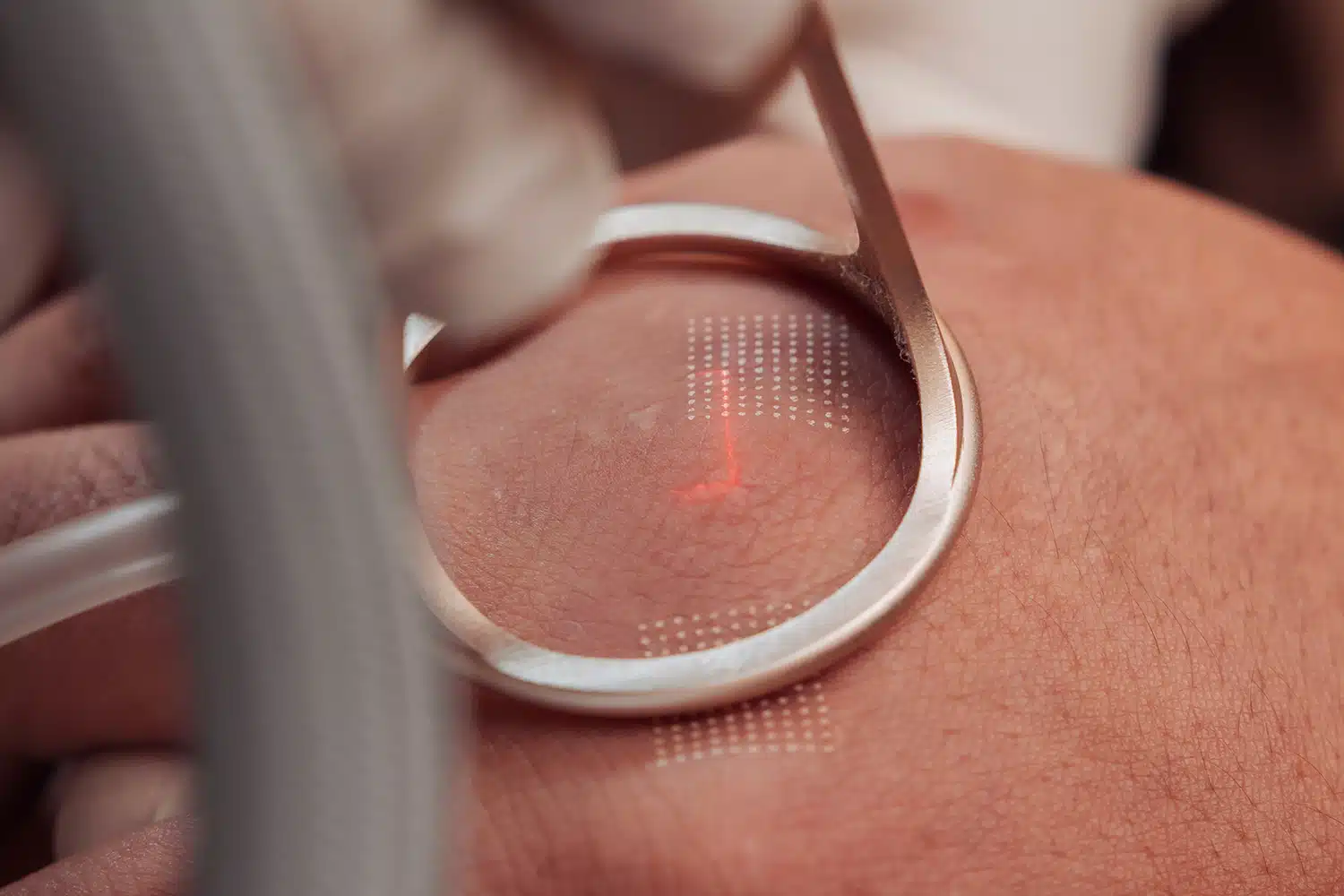
CO2 laser is ablative, meaning it physically removes the outermost layers of skin in a controlled manner. The laser emits energy at a wavelength of 10,600nm, which is preferentially absorbed by water in skin cells. This vaporises the targeted tissue while the thermal injury below the ablation zone stimulates heat-mediated collagen contraction and subsequent collagen remodelling in the dermis. Damaged surface skin is removed, and the deeper dermis (the structural layer beneath the skin’s surface) is remodelled over the following months.
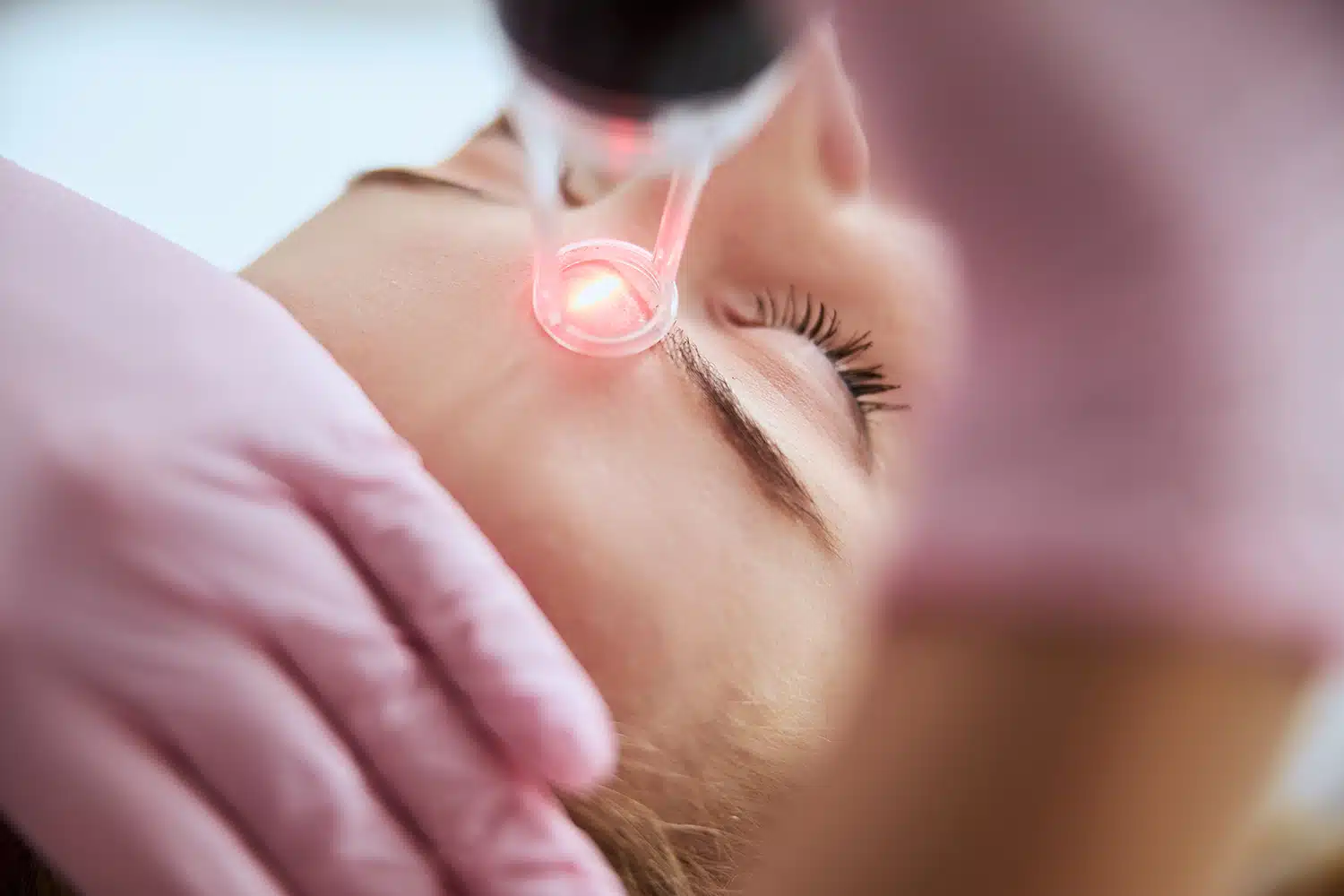
Pico laser is non-ablative, meaning it does not remove surface skin. It delivers energy in ultra-short pulses measured in picoseconds (one trillionth of a second), generating a photoacoustic (pressure-based) effect that shatters pigment particles and stimulates collagen without the level of thermal (heat-based) damage an ablative treatment produces. The skin’s surface remains largely intact, which is why the recovery profile is considerably lighter. Fractional handpieces concentrate energy to microscopic treatment zones to stimulate tissue remodelling
CO2 laser produces greater structural change at the cost of a more demanding recovery. Pico laser produces meaningful pigment clearance and collagen stimulation with a considerably gentler recovery profile. Neither is universally superior; they serve different purposes.
CO2 laser is generally better suited for:
Pico laser is generally better suited for:
A randomised split-face trial of 25 Asian patients found that fractional pico laser and fractional CO2 laser produced comparable improvements in acne scarring, but PIH occurred on 24% of CO2-treated sides and 0% of pico-treated sides.
This difference is particularly relevant for Singapore’s predominantly Asian demographic, where post-inflammatory hyperpigmentation is a common clinical consideration.
CO2 laser typically involves five to seven days of redness, swelling, and skin peeling and crusting. More intensive treatment may require longer, and redness can persist beyond initial healing.
Pico recovery depends on the mode. Mild redness after Pico-Toning may settle within a few hours, while Full Pico typically involves three to five days of mild redness, sometimes less. Many patients return to their normal schedule the following day, though sun protection and careful skincare are still required.
Cheongdam Aesthetics also offers the Pico Mix & Match programme, which pairs targeted pre- and post-laser treatments with the pico session to enhance results and support recovery.
Individual variation is meaningful, and your doctor’s settings will influence your recovery timeline. For working adults considering pico laser in Singapore, this difference is practically significant. If your schedule does not accommodate a week of visible recovery, pico laser is likely the more manageable option.
| Concern | Recommended Starting Point | Notes |
|---|---|---|
| Acne scarring (superficial) | Pico Laser | Individual scar assessment; fractional CO2 or PN Scar booster may form part of the plan. |
| Acne scarring (deep, textured, ice-pick) | CO2 Laser | Physically remodels scar tissue; combination approach often most effective |
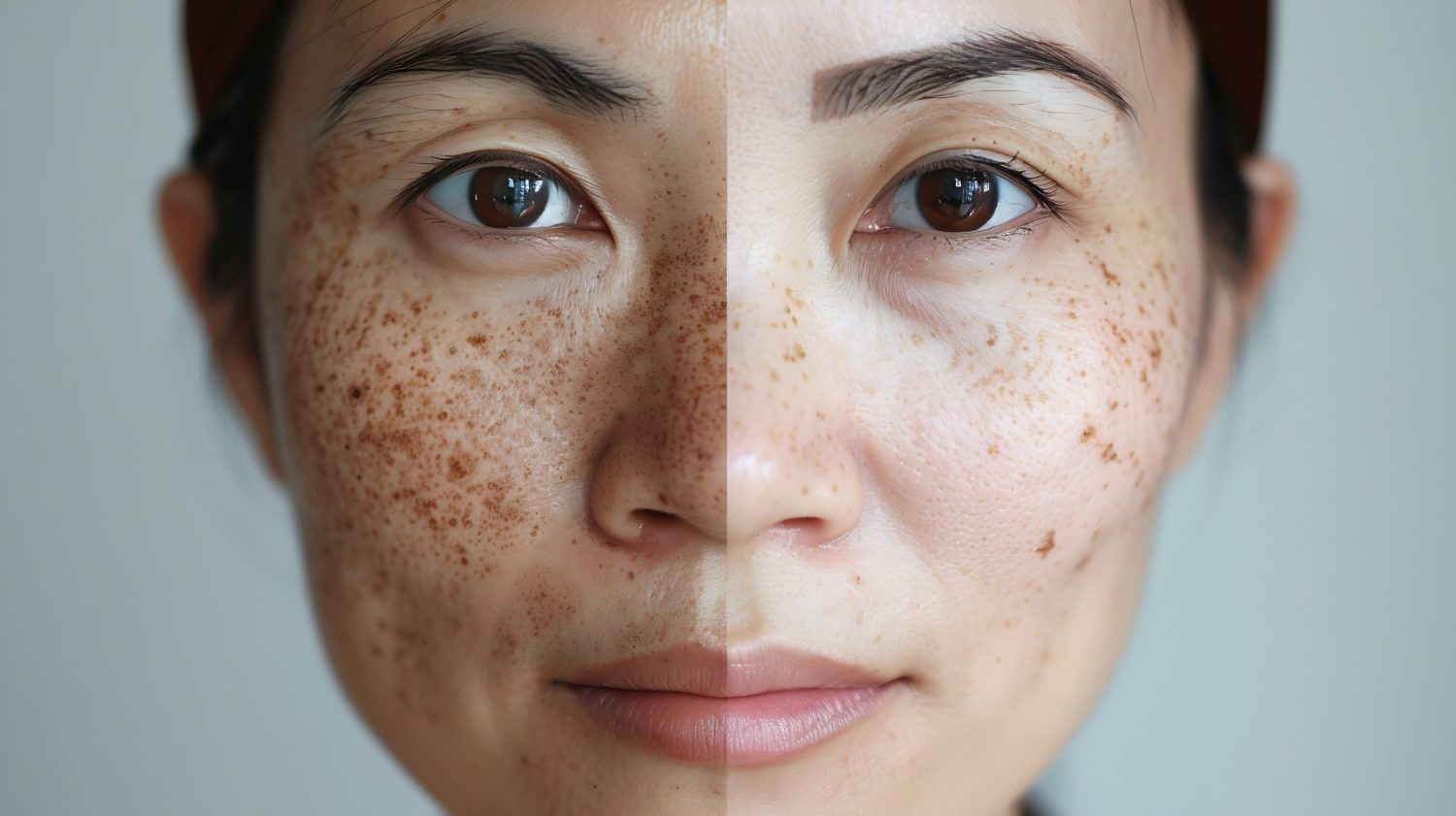
| Pigmentation and melasma | Pico Laser | Melasma usually needs sun protection and medical treatment first; either laser can worsen pigmentation |
| Enlarged pores (pronounced) | CO2 Laser | Potential improvement depends on skin condition and settings; pores cannot be permanently closed |
| Enlarged pores (less downtime preferred) | Pico Laser | Recovery depends on mode; texture improvement develops gradually. |
For patients with acne scarring, the PN Scar booster may be incorporated alongside laser treatment to support tissue repair. Any injectable add-on should be assessed separately rather than assumed to improve every laser result.
A review of laser and light therapy in melasma concludes that ablative fractional lasers, including CO2 laser, carry a very high risk of post-inflammatory hyperpigmentation and should be used with caution in melasma patients, particularly those with darker skin tones.
If you have melasma or a history of PIH and you are unsure which approach is safe for your skin, speak to the team at Cheongdam Aesthetics before booking anything.
Some patients present with concerns that span more than one category. Where both structural remodelling and pigmentation management are needed, pico and CO2 laser can be used together in a sequenced programme.
Deep scarring with pigmentation concern: CO2 laser first for structural remodelling, followed by pico laser to manage any post-inflammatory darkening during recovery.
Pigmentation first, then structural remodelling: Pico laser first to clear pigmentation, followed by CO2 laser once pigmentation is stable.
Introducing both lasers too close together, or in the wrong order, can increase the risk of adverse outcomes including PIH and impaired healing. A combination programme should be designed by a doctor based on a proper in-person evaluation, not put together on the basis of availability or price.
The sections above cover the clinical and practical landscape. What follows addresses the specific questions that tend to come up before a first appointment.
Yes, and this is not a formality. The right laser depends on your skin type, Fitzpatrick classification (a scale used to categorise skin’s response to UV radiation, from type I, very fair, to type VI, very dark), the nature and depth of your concerns, your history with previous treatments, and how much downtime you can realistically accommodate. Think of this guide as preparation for that conversation, not a substitute for it.
Most patients describe pico laser treatment as tolerable, with a sensation of warmth or a mild snapping feeling. A topical numbing cream is typically applied 20 to 30 minutes beforehand. Pain levels vary depending on the area treated and the settings used.
CO2 laser is generally more expensive per session than pico laser in Singapore, reflecting its greater technical complexity and longer recovery. The total cost depends on how many sessions are needed. Contact Cheongdam Aesthetics directly for an accurate, personalised quote.
Some patients notice changes after one session, but multiple treatments may be required. Pigment improvement can develop over weeks, while scar improvement is assessed over subsequent months as collagen remodels. Session numbers and intervals should follow diagnosis, healing and response.
Yes. The heat generated by ablative resurfacing can trigger post-inflammatory hyperpigmentation, temporarily or persistently darkening the treated area. In patients with darker skin tones, the risk is higher. If your primary concern is melasma or diffuse pigmentation, pico laser for pigmentation is typically the safer starting point.
At Cheongdam Aesthetics, treatment recommendations are based on a thorough in-person assessment of your skin, your concerns, and your lifestyle. If pico laser treatment is the right answer for you, that is what will be recommended. If CO2 laser is more appropriate, or if neither is the right starting point, the consultation will reflect that.
At Cheongdam Aesthetics, the starting point is always your skin, not a treatment menu. Protocols are developed with a Korean clinical advisory team and delivered by accredited doctors.